Quick answer: Hard water contains elevated dissolved calcium and magnesium; soft water has had those minerals removed (or never had them). Hard water isn’t a health risk — it’s a plumbing, appliance, and cleaning problem. If your hardness is above about 7 GPG, a water softener typically pays for itself within a few years in appliance protection alone.
Most people never think about their tap water until something goes wrong — a dishwasher coated in white film, a showerhead that barely flows, hair that feels like straw despite pricey conditioner. These aren’t coincidences. They’re all symptoms of the same underlying cause: hard water.
This guide explains what hard and soft water actually are, how to tell which you have, what the real-world effects look like in your home, and which treatment options are worth your money.
What makes water “hard” or “soft” — and why it matters
Water picks up minerals as it moves through the ground. The two that matter for hardness are calcium (Ca²⁺) and magnesium (Mg²⁺) — positively charged ions that dissolve readily from limestone, chalk, and dolomite rock formations. The more of these minerals your water carries, the “harder” it is.
Soft water, by contrast, is either naturally low in these minerals or has been treated to remove them. The geology underneath you decides your starting point. Water moving through granite or sandstone picks up little calcium and magnesium — which is why Pacific Northwest tap water is famously soft, while Midwest and Southwest water, sitting over limestone and gypsum, runs notoriously hard.
That geology is why we built a page for every city: your hardness is mostly a function of where your water comes from, not how it’s treated. (See water hardness explained for the deeper geology.)
How hardness is measured
Hardness is expressed in two common units. They’re interchangeable — the conversion is fixed.
- Grains per gallon (GPG) — the standard U.S. measurement. One grain equals 64.8 milligrams of calcium carbonate per gallon.
- Parts per million (PPM) or mg/L — the metric equivalent. 1 GPG = 17.1 PPM.
Here’s the classification most utilities and the USGS use:
| Classification | GPG | PPM (mg/L) | What you’ll notice |
|---|---|---|---|
| Soft | under 1 | under 17 | Excellent lather, no scale, smooth feel |
| Slightly hard | 1–3.5 | 17–60 | Minimal scale, fine for most uses |
| Moderately hard | 3.5–7 | 60–120 | Visible scale, soap scum appears |
| Hard | 7–10.5 | 120–180 | Significant buildup, appliance stress begins |
| Very hard | over 10.5 | over 180 | Heavy scale, clogged fixtures, real damage |
Hard water vs soft water: side by side
| Factor | Hard water | Soft water |
|---|---|---|
| Minerals | High calcium + magnesium | Low (removed or never present) |
| Soap lather | Poor — forms soap scum | Excellent |
| Appliances | Scale, reduced efficiency, shorter life | No scale, full efficiency |
| Skin & hair | Can feel dry, dull, or coated | Softer feel |
| Dishes & glass | Spots, film after dishwasher | Spot-free |
| Pipes | Scale narrows pipes over years | No accumulation |
| Safety | Safe — minerals aren’t harmful | Safe (slightly more sodium if salt-softened) |
The distinction that trips people up: hard water is safe to drink, and the minerals in it are actually nutrients. The problem is entirely mechanical and economic.
What hard water actually costs you over time
Hard water’s toll shows up in three places — and it’s well documented, not anecdotal.
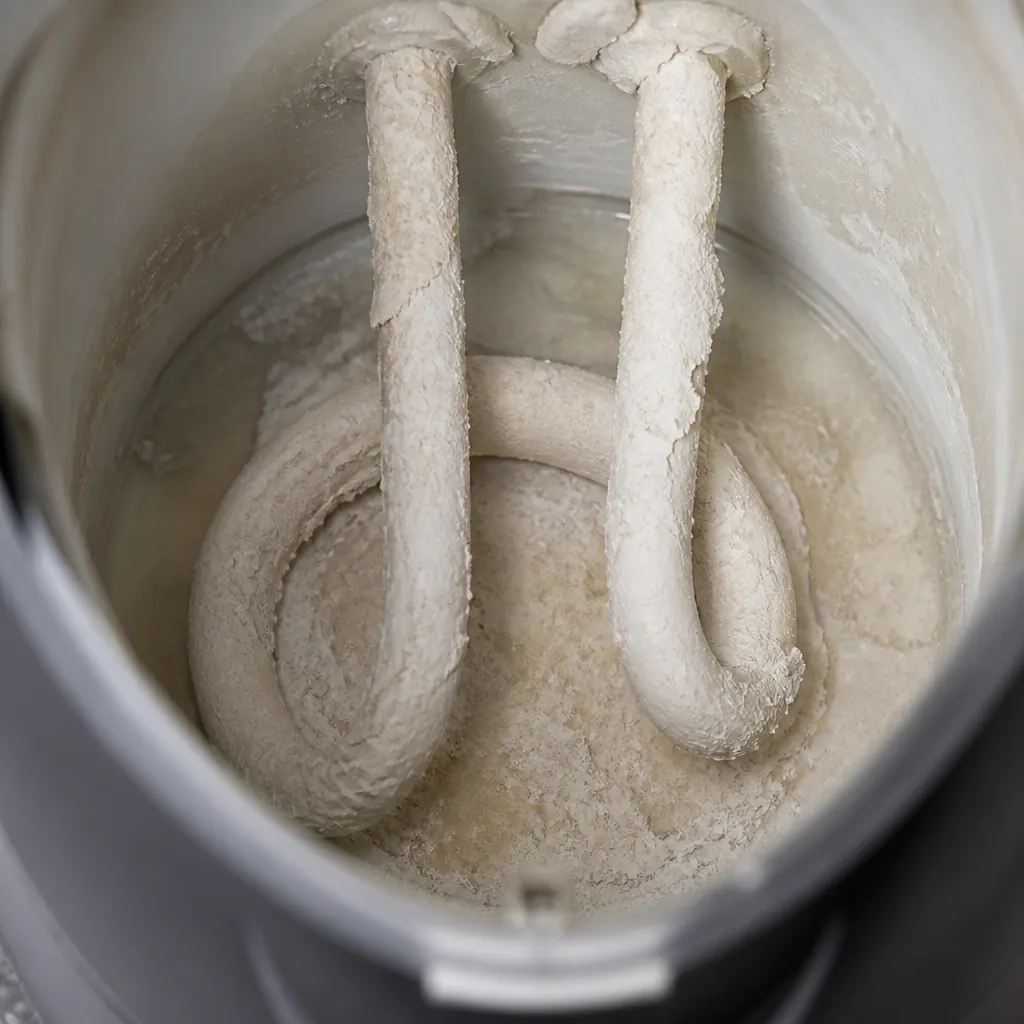
Water heaters. Scale acts as insulation in the worst possible place: between the heating element and the water. The Water Quality Research Foundation found water heaters lose up to 48% efficiency at 26 GPG within roughly a year. The U.S. Department of Energy notes a quarter-inch of scale can force up to 40% more energy use. Hard water can cut a water heater’s life from 12–15 years down to 6–8 — a $800–$1,500 replacement you’d otherwise avoid.
Dishwashers and washing machines. Spray arms, heating elements, and solenoid valves all accumulate scale. Many appliance manufacturers void warranties in extreme-hardness areas. Detergent can’t fix it — more soap just creates more scum.
Time and supplies. The Water Quality Association’s studies show soft water needs up to 50% less laundry detergent and 70% less dish soap. Add in descaling products, vinegar soaks, and elbow grease, and the “free” hard water isn’t free.
None of this is a health emergency — the EPA classifies hardness as an aesthetic concern under its Secondary Maximum Contaminant Level, not a regulated hazard. But it is a steady drip of money.
How to tell which you have
You usually don’t need to guess. Four signals in descending order of certainty:
- Your utility’s Water Quality Report (CCR). Every U.S. community water system must publish one annually, and hardness is often listed. It’s the authoritative number for your address. (How to read your water quality report walks through it.)
- A test strip. A $10–20 kit gives a GPG read in under a minute — accurate enough to decide whether treatment is worth it. (How to test your water hardness has the step-by-step.)
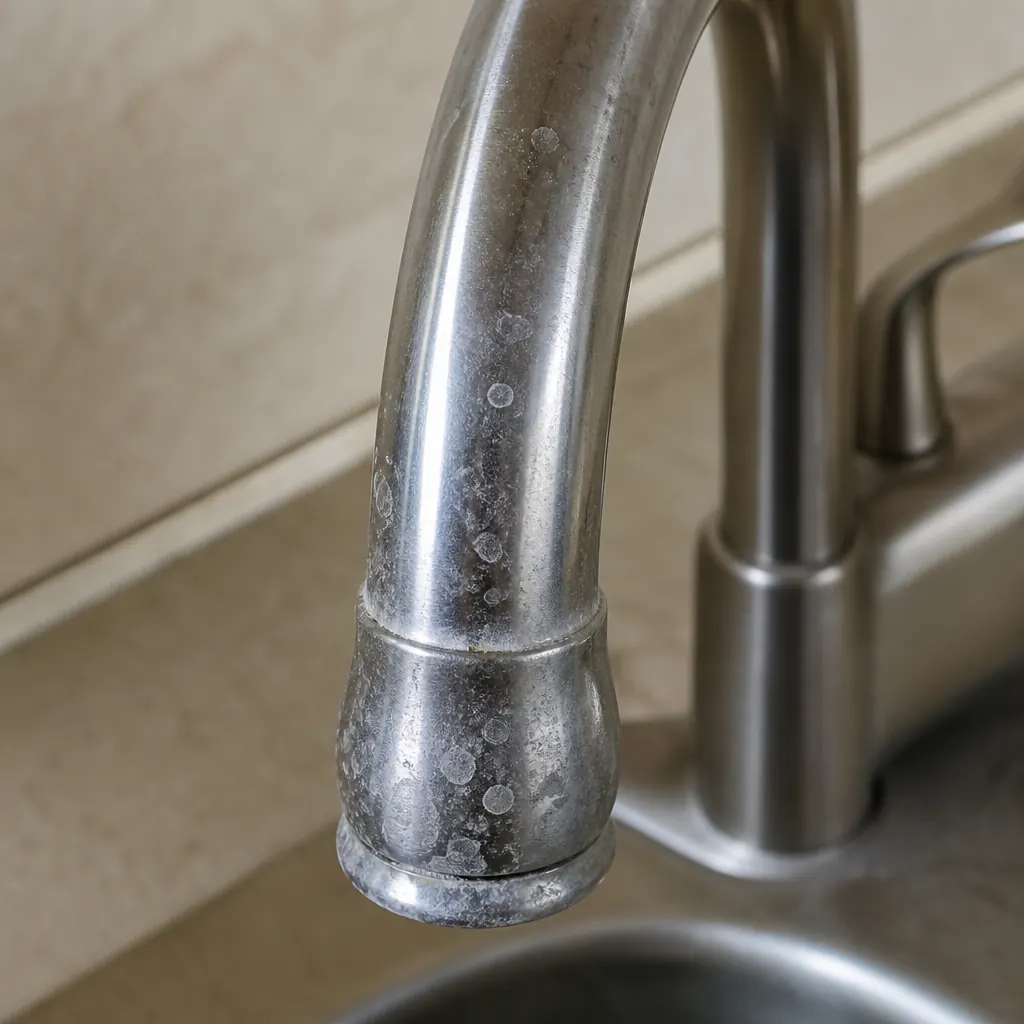
- Visible signs. White crust around faucets, spots that don’t rinse off glass, stiff-feeling laundry.
- Your city’s page. We’ve compiled hardness by city across the U.S. and Canada — look yours up.
Treatment options, ranked by what they actually do
If you’ve confirmed hard water, here are your real options — in order of how thoroughly they solve the problem.
- Salt-based softener (ion exchange) — the only option that removes minerals. Swaps calcium and magnesium for sodium or potassium, producing genuinely soft water. Best for very hard water. (Best water softeners 2026)
- Salt-free conditioner (TAC) — doesn’t remove minerals; it changes them so they can’t form scale. Low maintenance, no salt, but your water stays technically hard. ([Softener vs salt-free conditioner](/articles/water-softener-vs-salt-free-cond
The honest rule of thumb: over ~10 GPG, get a salt-based softener. At 3.5–7 GPG, a salt-free conditioner often fits better. Under 3.5, you probably need neither.
Soft water myths worth correcting
Once people learn the difference, a few misconceptions tend to surface — and they deserve a straight answer.
- “Softened water feels slimy.” That “slimy” feeling is just your skin’s natural oils doing their job without a hard-water film. It’s an adjustment, not a defect — and it’s why soap rinses cleanly.
- “Softened water is bad for plants or aquariums.” For most houseplants, softened water’s slightly elevated sodium isn’t ideal long-term, so many people run a bypass for the garden tap or use potassium salt. Aquariums are a legitimate exception — aquarium keepers rebuild mineral content to suit their species. This is a real consideration, not a myth, but also easily worked around.
- “Hard water causes kidney stones or other health problems.” The science doesn’t support hard water causing stones; if anything, some studies suggest dietary calcium from water isn’t the driver people assume. The EPA treats hardness strictly as aesthetic. (USGS on hardness)
- “You can’t drink softened water.” You can. The sodium added is minimal (typically under 30 mg/L), and potassium-chloride salt is a zero-sodium option.
Separating these myths from reality matters, because fear — not data — drives a lot of unnecessary softener-aversion.
The regional reality check
If you want a sense of where you stand, the geography is a useful shortcut. The USGS estimates roughly 85% of U.S. homes have some degree of hard water — meaning the odds favor you dealing with it. But it’s wildly uneven:
- Hardest regions: the Midwest, Southwest, and much of the Plains and Texas — sitting on limestone, gypsum, and mineral-rich aquifers.
- Softest regions: the Pacific Northwest, New England, and parts of the Southeast — granite and sandstone bedrock, plus snowmelt-fed surface sources.
That’s why “hard water” is a near-universal conversation in Phoenix and a non-issue in Seattle. Your geology determines your starting point, and a test determines your actual number. (Look up your city)
The sentence to take with you
Hard water is safe but quietly expensive; soft water simply lacks the calcium and magnesium. The whole decision hangs on one number — your GPG. Get it (from your utility report or a cheap test), then let that number decide whether you need a softener, a conditioner, or nothing at all. Everything else is noise.
Related problems people confuse with hardness
One of the most common reasons people buy the wrong equipment is that several water issues look like hardness but aren’t. Worth naming explicitly:
- Chlorine taste/smell — a disinfectant residual, not hardness. Fixed with a carbon filter, not a softener.
- Iron — orange or rust-colored stains, metallic taste. Often accompanies hard water from wells, but needs its own treatment (an iron filter), not just a softener.
- Hydrogen sulfide — a rotten-egg smell. Unrelated to hardness; needs aeration or oxidizing media.
- High TDS / salinity — a mineral total reading that’s broader than calcium and magnesium. Treated with reverse osmosis, not softening.
If you’re reacting to one of these symptoms but calling it “hard water,” you could install a softener and see zero change — because the softener was never the right tool. That’s why a test (or a read of your CCR) matters before you spend: it tells you which problem you actually have. (How to read your water quality report)
Bottom line
Hard water is safe to drink but quietly expensive to live with — it shortens appliance life, wastes energy, and devours detergent. Soft water simply has the calcium and magnesium removed. Figure out your number first (utility report or a cheap test), then let the GPG — not a sales pitch — decide whether you need a softener, a conditioner, or nothing at all.
Carry this distinction forward and every water decision you make gets easier: hardness is about calcium and magnesium, not contaminants, and the right fix follows the actual problem, not the label.