Odessa Water Hardness: Not Published
What we found, how to check your own water, and how to get it published.
Odessa's water utility doesn't publish a hardness figure — it isn't a regulated health parameter, so most municipalities aren't required to report it. If you searched for this, you may already be seeing signs of hard water. Here's how to confirm it yourself and what to do about it.
Why isn't Odessa's water hardness published?
Water hardness isn't a health risk — it's an aesthetic and appliance concern (scale, soap scum, spots). Unlike lead or bacteria, hardness has no legal safety limit, so provincial drinking-water rules (Ontario's O. Reg 170/03 and its equivalents) don't require utilities to publish it. Hardness is an "operational/aesthetic" parameter: it matters for your dishwasher and water heater, not for your safety, so regulators don't mandate public reporting of it. We checked the City of Odessa Water Utilities report and it doesn't include a total-hardness figure — you can see the report here.
What does the city's water source tell us about hardness?
The city draws from CRMWD surface water (Lake Ivie/Spence/Thomas) + Ward County groundwater wells. Because the source is surface water (a lake or river), hardness is likely on the lower end. Surface water hasn't spent long in contact with soluble rock, so it typically carries less dissolved calcium and magnesium than groundwater — but there is no published number here to confirm it, so treat this as a starting point, not a guarantee.
There's likely a reason you're looking into this
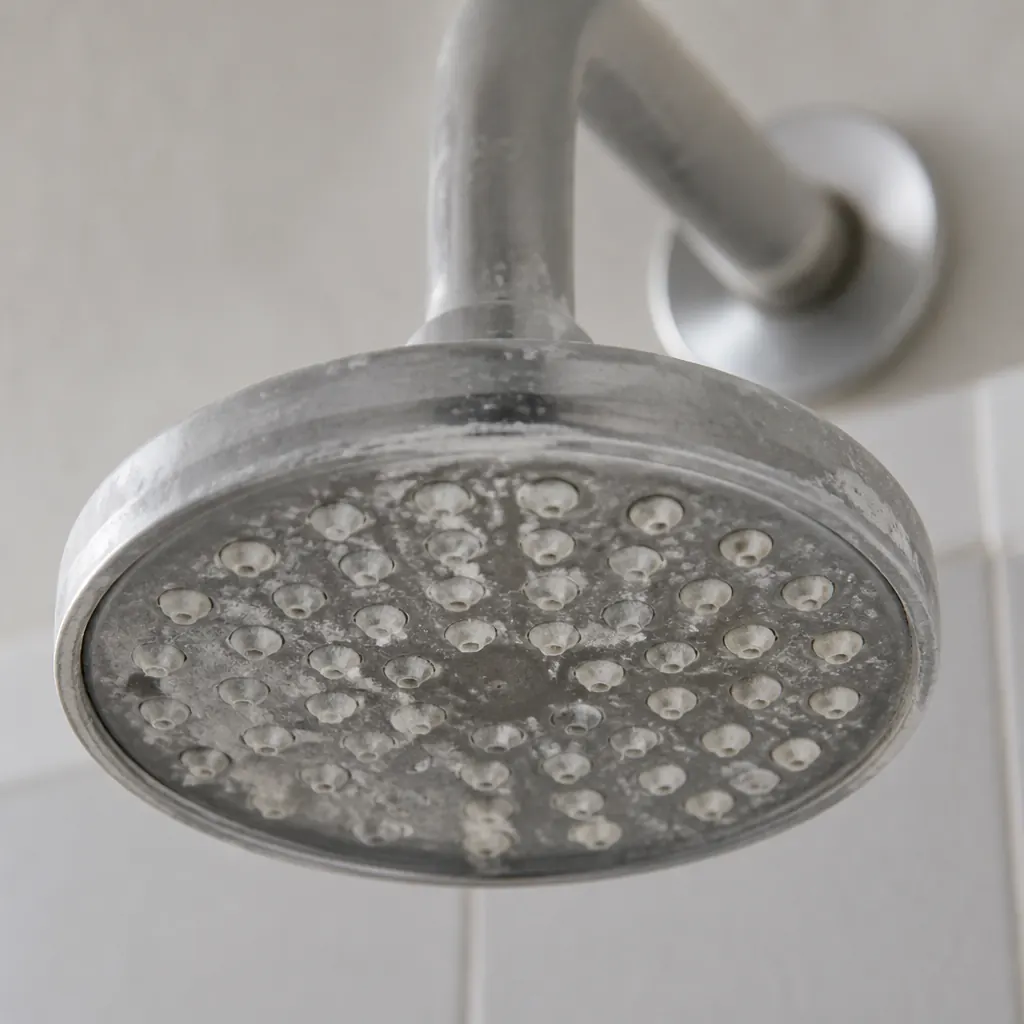
People don't usually go looking for a water-hardness number unless they've noticed something: chalky white scale on faucets and shower doors, spots on clean glassware, stiff laundry, dry or itchy skin after showering, or a water heater that seems to need replacing too soon. If any of that sounds familiar, you likely have hard water — regardless of whether the city publishes the figure. The signs are often more reliable than a missing report, because they reflect what's actually coming out of your specific taps.
Why do other sites show a number for Odessa?
You may well see other water-hardness sites listing a specific GPG or ppm for Odessa. We looked into that. Those numbers aren't sourced to any municipal report — Odessa's utility doesn't publish a hardness figure, so any site showing one is either applying a generic regional formula, copying another aggregator, or guessing. Here's the difference: we checked the actual City of Odessa Water Utilities report and it isn't there. We'd rather tell you that honestly than hand you a number we can't point to. When you do find a published number here or elsewhere, it should trace back to a real document — if it doesn't, treat it with skepticism.
Why does hardness matter if it's not a health risk?
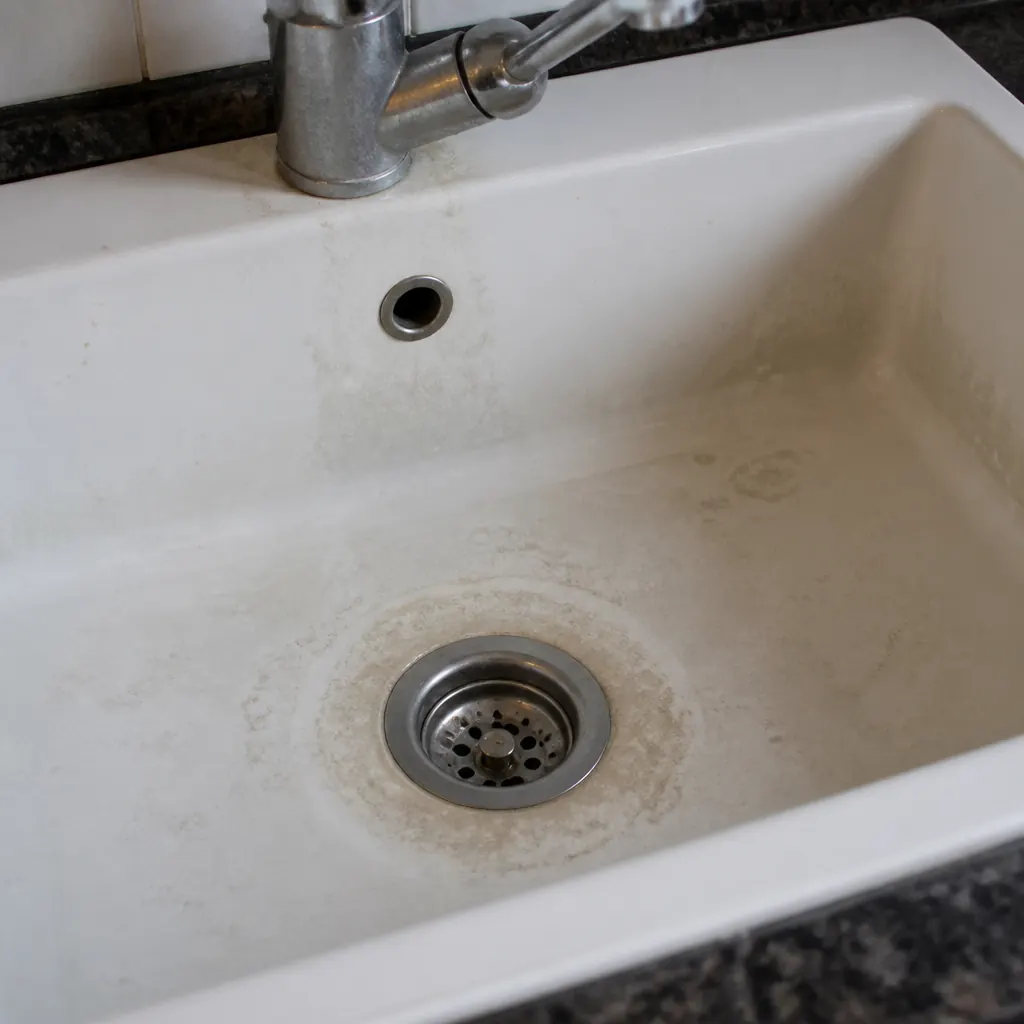
Hardness won't make you sick, but it quietly costs you money. The dissolved calcium and magnesium that make water "hard" precipitate out as scale when the water heats up — coating the inside of your water heater, kettle, and coffee maker, and narrowing pipes over time. That scale is an insulator, so your water heater works harder to heat the same water, which shows up on your energy bill. According to the Water Quality Association, softening hard water can cut the energy a water heater uses, extend its service life, and reduce soap and detergent consumption by up to half. Across a household, that's hundreds of dollars a year in hot-water energy, appliances that last longer, and products you stop over-using — which is why people bother checking their hardness in the first place.
Hard water also affects things you do every day: glasses come out of the dishwasher with spots, shampoo and soap don't lather as well so you use more, laundry can feel stiff, and over months a bathroom fixture goes from shiny to chalky. None of it is dangerous, but all of it is annoying and avoidable once you know where your water sits on the hardness scale.
How does Odessa compare to the national picture?
Water hardness varies enormously across the United States, and it comes down almost entirely to geology. Regions that draw from surface water — rivers, lakes, and reservoirs fed by snowmelt and rainfall — tend toward softer water, while the vast stretches of the country that sit on limestone, dolomite, and other carbonate bedrock produce groundwater that runs hard, sometimes very hard (dozens of grains per gallon). Because the utility doesn't publish its number, we can't tell you where it lands on that spectrum — but the water-source information above, combined with the signs in your own home, will point you in the right direction.
How do you confirm hard water in 10 minutes?
The fastest check is the soap test: fill a clear bottle halfway with cold tap water, add several drops of liquid dish soap, cap it, and shake. Lots of fluffy suds means soft water; almost no suds and cloudy water means hard. For an actual number, a cheap hardness test strip or a TDS meter (hardness minerals raise total dissolved solids) will tell you roughly where you sit — these kits cost a few dollars and take under ten minutes.
Should you have a professional check for hard-water damage?
Years of hard water leave scale inside your water heater, pipes, and fixtures — scale that raised your energy bill long before you noticed it. The U.S. Department of Energy notes that hard-water scale can substantially lower water-heater efficiency, and the Water Quality Association has documented that treating hard water extends appliance life and cuts soap and detergent use. If you've lived in Odessa a while and suspect hard water, a licensed local plumber can inspect for existing scale buildup — and tell you whether a whole-house softener or a descaling service will pay for itself before the damage gets worse. It's a small check that can prevent an expensive water-heater replacement.
What do you do if your water is hard?
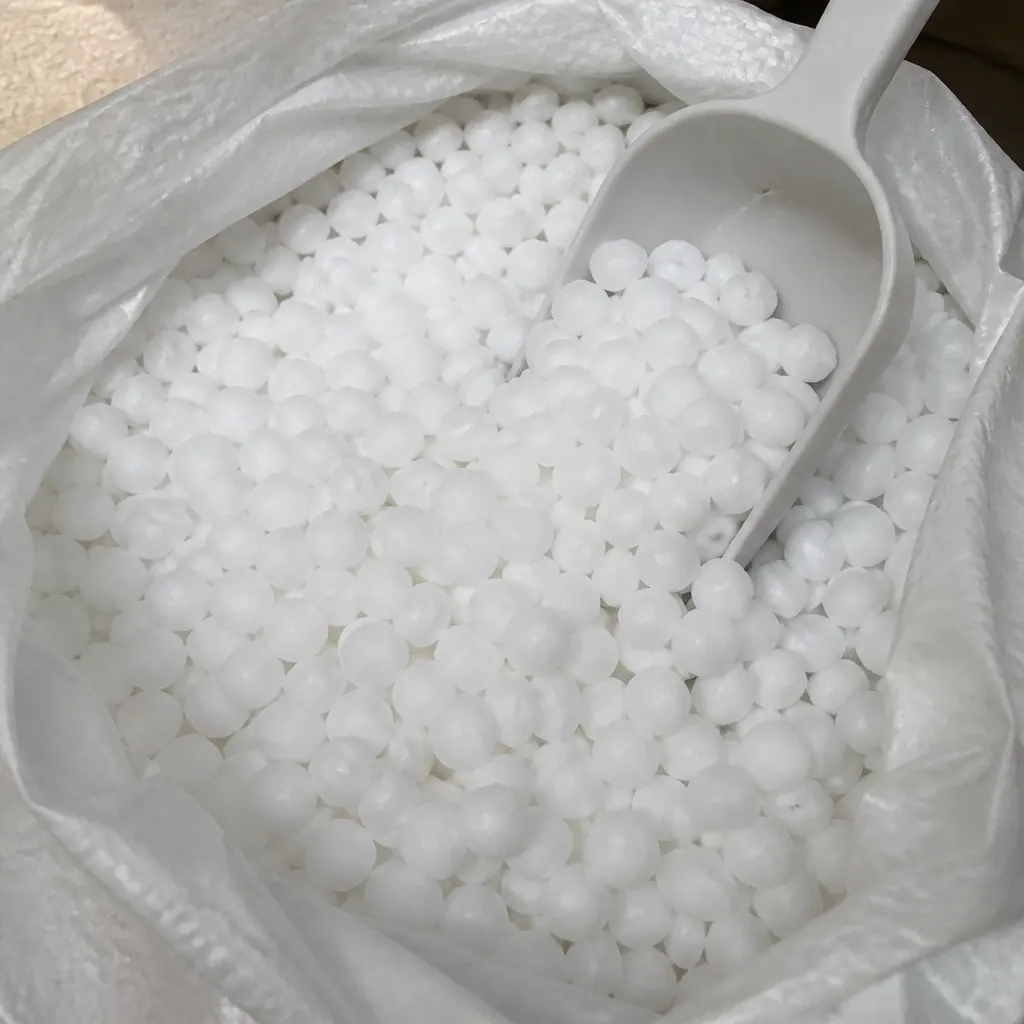
Hard water is safe to drink, but treating it saves money over time: a whole-house water softener removes the calcium and magnesium that cause scale, protecting your water heater and appliances and cutting soap and detergent use by up to half. For drinking-only concerns, a simple point-of-use filter or reverse-osmosis system handles taste and trace minerals. The right choice depends on how hard your water actually is — which is why confirming it first (with the strip test above or a plumber's assessment) is the smart move.
What should you check while you wait for an official number?
Even without a published figure, you can act today. Run the ten-minute check above, then take a look at your water heater's age and any signs of scale on fixtures. If both point the same direction, a plumber or a softener quote will confirm it definitively. And if you do push your utility to publish the number, you'll be helping every other resident who runs into the same dead end.
How do you get Odessa's hardness published?
Utilities respond to resident requests, and hardness is easy for a lab to add — it's routinely measured or calculated from calcium and magnesium. A few polite emails are often enough to get the number into the next annual report. Here's a pre-written one you can send to your local council or public-works department:
Subject: Request: please publish Odessa's water hardness in the annual water quality report
Hello,

I'm a Odessa resident who would like to know our municipal water hardness (total hardness in mg/L or grains per gallon) so I can set my water softener correctly and understand appliance-scale risk.

Unlike calcium/magnesium levels (which are aesthetic, not regulated), hardness isn't included in most annual reports — but it's straightforward for the lab to add, since it's routinely measured or easily calculated from calcium and magnesium.

Could City of Odessa Water Utilities please publish the annual average total hardness (and ideally the calcium/magnesium values) in the next drinking-water quality report or on the water department page? It would help many residents here.

Thank you,
[Your name]
[Your Odessa address]
Copy it, add your name and address, and send it to your local utility or councillor.
Recommended solutions for Odessa
We may earn a commission when you buy through links on our site. This doesn't affect our recommendations. Full disclosure.
Not sure you have hard water? Start with a test strip or TDS meter first — then, if you confirm hard water, a whole-house softener or a local plumber's descaling service is the next step.
💧 Odessa plumbers & water-treatment pros: this page is for you
Residents here can't find an official hardness number — which means they're turning to the internet asking about scale, dry skin, and failing water heaters. Link to this page on your site's "water hardness in Odessa" or "water softener installation" page, and you'll be the answer they land on. We keep this page accurate and link it to the hard water vs soft water guide so your customers come pre-educated and ready to book an assessment.
Frequently asked questions
Why isn't Odessa's water hardness published?
Many municipalities don't report water hardness because it isn't a regulated health parameter — hardness is an aesthetic issue (scale, soap), not a contaminant with a safety limit. Ontario's O. Reg 170/03 and most provincial rules list hardness as "operational/aesthetic," so utilities aren't required to publish it. That's why we couldn't give you a number — there isn't an official one to cite.
Does that mean Odessa's water is soft?
Not necessarily. The absence of a published number just means the utility doesn't report it — a city can have hard water and simply not publish the figure. If you're searching for this, you're probably already seeing signs of hard water (scale on fixtures, spots on glassware, dry skin, a struggling water heater), and those signs are more reliable than a missing report.
How do I tell if my own water is hard?
The fastest home check is the soap test: fill a clear bottle halfway with tap water, add a few drops of liquid dish soap, and shake. Lots of suds = soft water; almost no suds and cloudy water = hard. For a real number, use a cheap hardness test strip or a TDS meter (hardness minerals drive up dissolved solids).
What should I do about hard water in Odessa?
Hard water is harmless to drink but tough on your home — scale buildup cuts water-heater efficiency and shortens appliance life. If you've confirmed hard water, a whole-house water softener treats the cause at the source.
Should I have my plumbing checked?
If you've lived with hard water for years, scale may already have built up inside your water heater, pipes, and fixtures. A licensed plumber can inspect for existing scale damage and tell you whether a softener or descaling is worth it before it becomes an expensive repair.
How do I get Odessa's water hardness published?
Utilities respond to resident requests. We've included a pre-written email below you can send to your local council or public-works department asking them to publish the annual hardness figure. A handful of requests is often enough to get it added to the next water-quality report.
What about Odessa water quality?
Hardness isn't published, but water quality is a separate question. Odessa's water meets all EPA legal limits — 15 detected contaminants, none above the limit.
Sources
Explore more on Odessa water
💧 Don’t rely on old numbers
These numbers change as new data comes out. Get notified when they get updated, and get our take on what to do about it. Unsubscribe anytime.