Quick Answer: San Antonio water is approximately 16–17 gpg — very hard — sourced entirely from the Edwards Aquifer. The limestone geology produces mineral-rich water that's safe to drink but causes significant scale buildup. A whole-home water softener is the best solution.
San Antonio sits atop one of the most significant underground water sources in North America — the Edwards Aquifer. While this karst limestone formation has supplied South Texas with water for millennia, it produces naturally very hard water that creates real problems for San Antonio homeowners. At approximately 16–17 grains per gallon (gpg), San Antonio water consistently ranks among the hardest in major Texas cities.
This guide explains where San Antonio's water comes from, what the San Antonio Water System (SAWS) annual report reveals, and the best strategies for protecting your home and family from hard water damage.
Where Does San Antonio Get Its Water?
The San Antonio Water System (SAWS) uses a diverse portfolio of water sources, but the Edwards Aquifer remains the backbone:
- Edwards Aquifer (~60–65%): A karst limestone aquifer that spans 180 miles across south-central Texas. Water enters the aquifer through recharge zones in the Hill Country, flowing through millions of microscopic fissures and caves in the limestone. As it flows, it dissolves calcium and magnesium carbonate — the defining characteristic of Aquifer water.
- Carrizo-Wilcox Aquifer: A deeper, confined aquifer used as a supplemental and drought-backup source. Carrizo water tends to have different mineral characteristics but is also hard.
- Guadalupe River: Surface water from the Guadalupe River is treated at the Twin Oaks Water Treatment Facility. River water is typically softer than groundwater but still contributes to hardness when mixed with aquifer supplies.
- Recycled Water: SAWS operates one of the largest recycled water systems in the US, using treated reclaimed water for irrigation and industrial uses to reduce potable water demand.
Why Is Edwards Aquifer Water So Hard?
The Edwards Aquifer is a karst formation — meaning the rock is primarily calcium carbonate (limestone). As rainwater percolates down through the soil and cracks in the limestone, a natural chemical reaction occurs: CO₂ in the water combines with the limestone to form calcium bicarbonate, which dissolves into the water. The longer water sits in contact with limestone, the higher the dissolved mineral concentration. Aquifer water has been in contact with limestone for years or decades before being pumped to the surface — producing consistently very hard water regardless of rainfall conditions.
How Hard Is San Antonio Water?
San Antonio Water Hardness Profile
San Antonio's slightly alkaline pH is typical of calcium carbonate-rich water. At pH 8+, calcium carbonate is near its saturation point, meaning it readily precipitates out of solution as scale when the water is heated — a significant issue for water heaters and dishwashers.
What Does the SAWS Annual Water Quality Report Show?
SAWS publishes a comprehensive Consumer Confidence Report each year, covering hundreds of tested parameters. Notable findings:
Radionuclides — The Unique Concern for San Antonio
Unlike most city water systems, San Antonio's limestone-sourced water contains naturally occurring radionuclides. SAWS annual reports have consistently detected:
- Radium-226 + Radium-228 (combined): Typically 1–3.5 pCi/L (EPA limit: 5 pCi/L). Within legal limits, but this is unique to limestone/aquifer water systems and worth being aware of for long-term drinking water choices.
- Gross Alpha Activity: Detected at 5–15 pCi/L (EPA limit: 15 pCi/L). Natural mineral radioactivity from limestone. Reverse osmosis is highly effective at removing radium and gross alpha particles.
Other Contaminants (All Within Limits)
- TTHMs: 18–42 ppb (EPA limit: 80 ppb)
- HAA5s: 12–26 ppb (EPA limit: 60 ppb)
- Nitrates: 1.4–3.2 mg/L (EPA limit: 10 mg/L)
- Fluoride: Added at 0.7 mg/L per CDC recommendation
- Barium: Low levels detected, below EPA limit of 2 mg/L (naturally from limestone)
Health Effects of San Antonio Hard Water
Skin and Hair
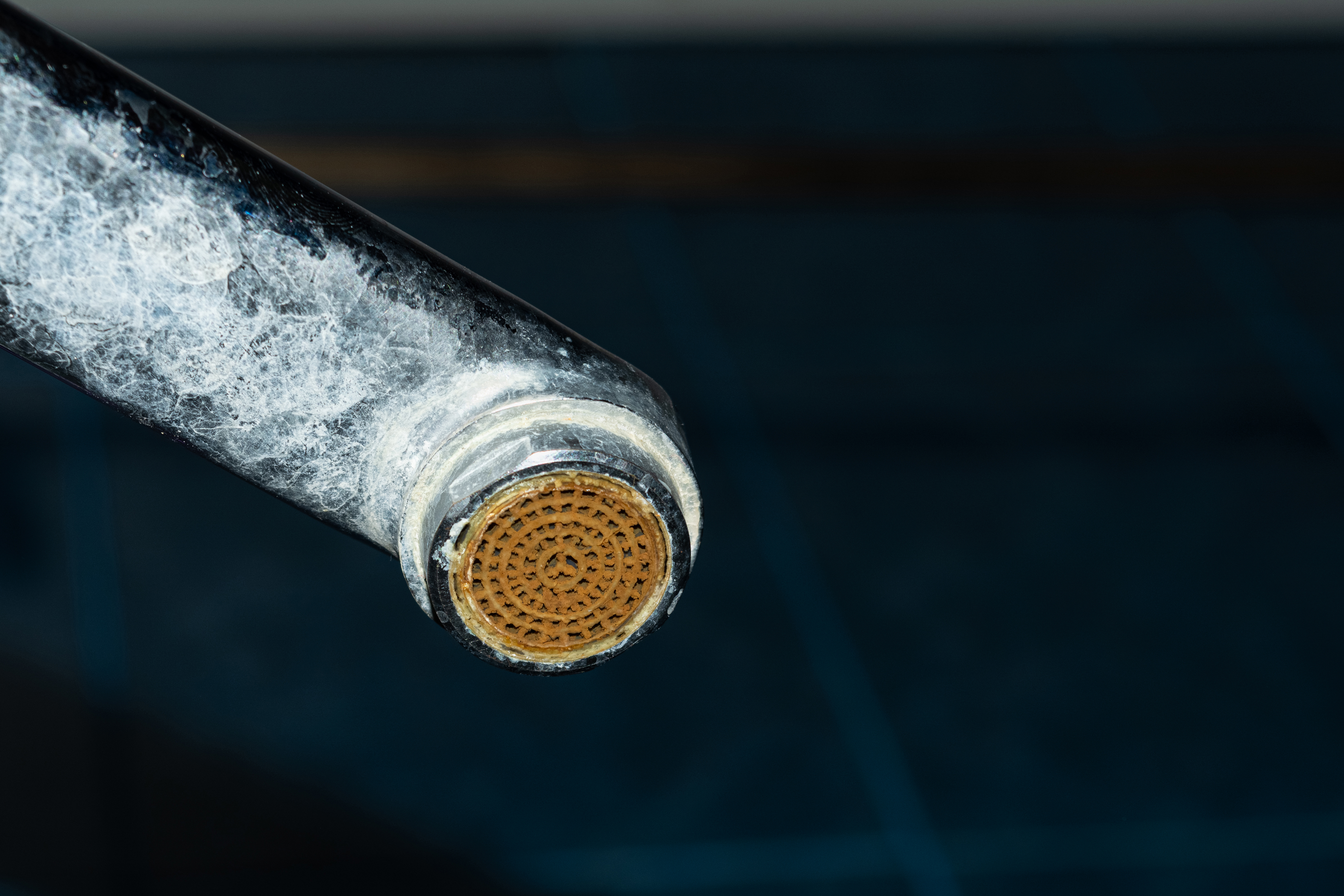
Bathing in 16–17 gpg water consistently reduces the skin's natural moisture retention. Calcium and magnesium ions react with the fatty acids in soap to form soap scum — a compound that deposits on skin, clogs pores, and leaves a dry, tight feeling after showering. For people with eczema, psoriasis, or sensitive skin, this can trigger or worsen flares. Hair washed in hard water develops calcium deposits on individual strands, reducing shine, causing frizz, and in some cases contributing to breakage.
Cardiovascular Effects (Positive?)
There's an important nuance: several epidemiological studies have found inverse associations between water hardness and cardiovascular disease. Magnesium in drinking water may have modest cardioprotective effects. The WHO notes that very soft water (<1 gpg) may actually be a risk factor, and that moderate hardness may be beneficial. San Antonio's water, while creating household problems, likely delivers meaningful dietary magnesium intake to residents.
Recommended Solutions for San Antonio
Water Softener (Priority #1)
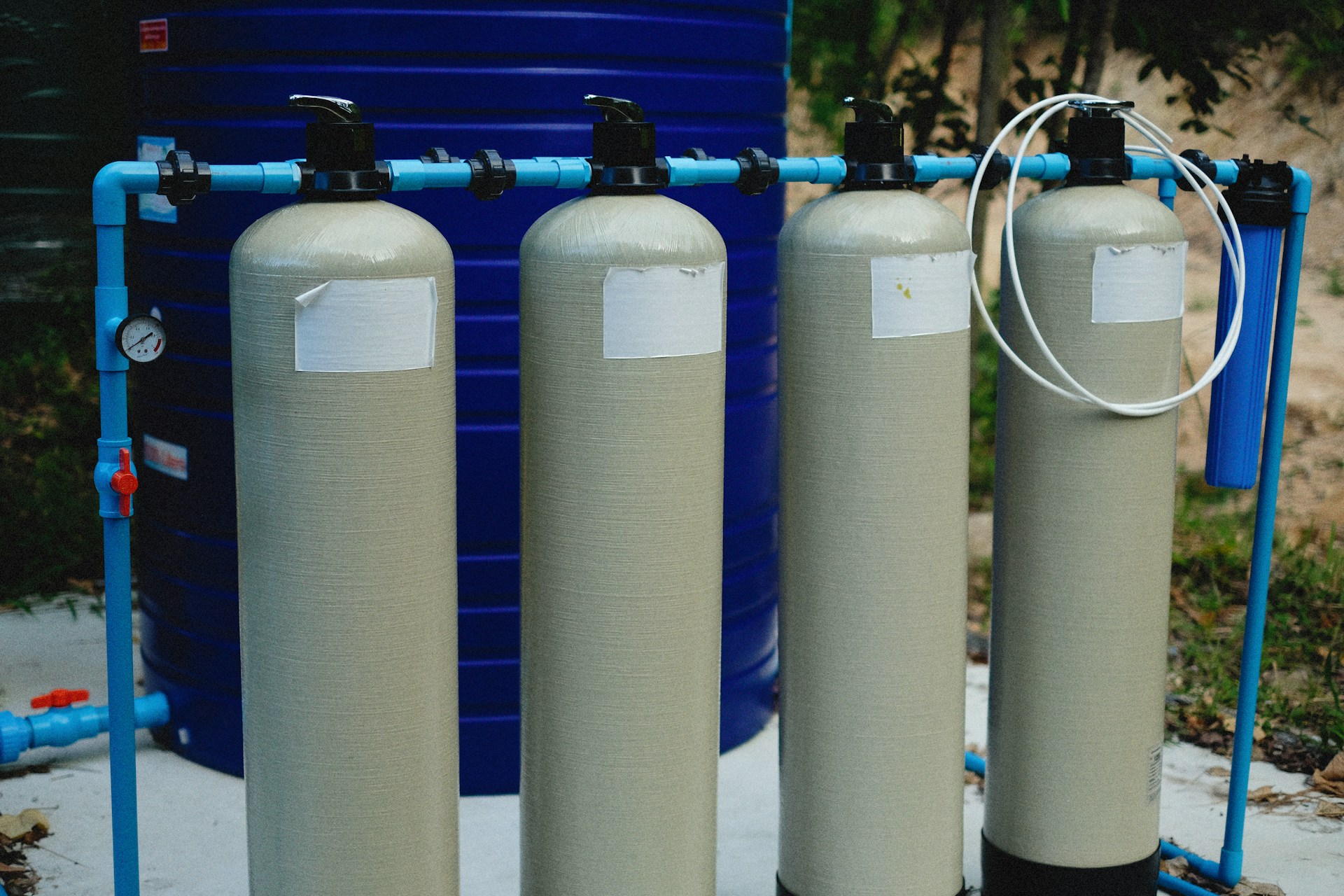
For any San Antonio home experiencing scale buildup, appliance wear, or skin/hair complaints, a whole-home water softener is the most cost-effective solution. At 16–17 gpg, the scale accumulation rate is significant enough that a softener typically pays for itself in 3–5 years through reduced energy costs and extended appliance life.
Reverse Osmosis for Drinking Water
Given San Antonio's naturally occurring radionuclides, an under-sink RO system is especially recommended for drinking and cooking water. RO removes 95%+ of radium, gross alpha particles, and dissolved minerals. The taste improvement over tap water is significant.
Scale Inhibitor for Plumbing
If a full softener isn't immediately feasible, a whole-home salt-free scale inhibitor (using template-assisted crystallization technology) can modify calcium and magnesium so they don't adhere to pipe walls, without adding sodium to the water. This is a maintenance solution, not a softening solution — it prevents new scale but doesn't remove existing deposits.
San Antonio Hard Water: Seasonal Variation
Unlike surface water cities, San Antonio's Edwards Aquifer source produces relatively consistent water chemistry year-round. The aquifer acts as a natural buffer, maintaining stable temperature and mineral composition regardless of weather. However, when drought conditions force SAWS to use more Carrizo-Wilcox groundwater or Guadalupe River water, hardness and other parameters can shift somewhat. The annual report reflects year-average data; your actual tap hardness may vary by ±2 gpg depending on current source blend.
How Does San Antonio Compare to Other Cities?
| City | Hardness (gpg) | Classification |
|---|---|---|
| Las Vegas, NV | 16–18 | Extremely Hard |
| Phoenix, AZ | ~16 | Extremely Hard |
| San Antonio, TX | ~15 | Very Hard |
| Houston, TX | ~12 | Very Hard |
| Indianapolis, IN | ~12 | Hard |
| Seattle, WA | ~1 | Soft |
Frequently Asked Questions About San Antonio Water
📚 Official Sources & Further Reading
- 🏛️ San Antonio Water System (SAWS) — 2024 Water Quality Report
- 🏛️ EWG Tap Water Database — San Antonio Water System
- 🏛️ USGS Water Science School — Water Hardness
- 🏛️ EPA National Primary Drinking Water Regulations
- 🏛️ San Antonio Hard Water Cost Calculator — HardWaterHQ
- 🏛️ Best Water Softeners 2026 — Reviewed for Very Hard Water
Related Resources
- PFAS-free and toxin-free material guides Clean water starts with clean materials too.