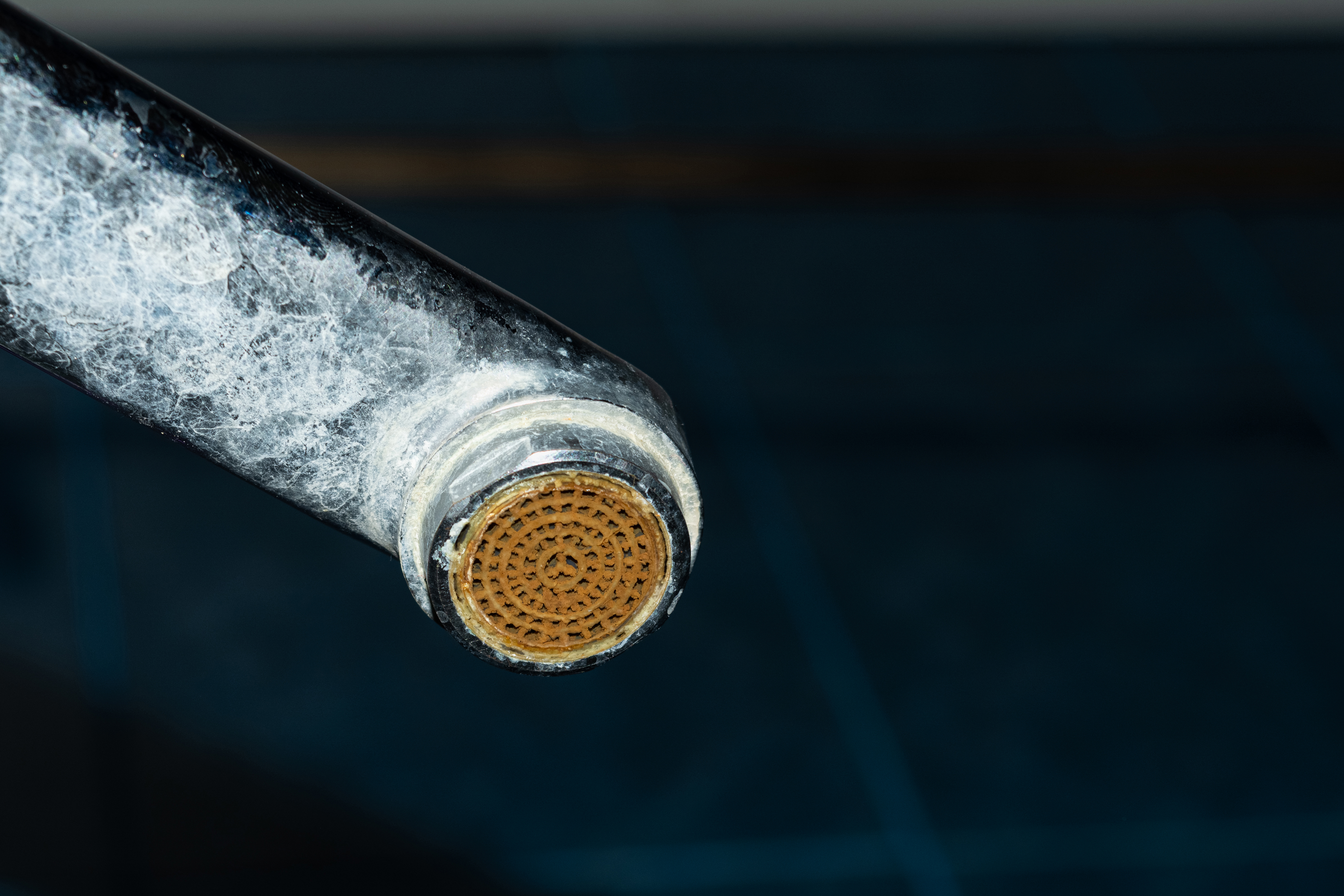
Quick Answer: Phoenix water hardness is approximately 16 gpg — classified as extremely hard. The water comes from the Colorado River (via CAP) and Salt River Project reservoirs. The best whole-home solution is a salt-based water softener rated for 15+ gpg combined with a carbon pre-filter for disinfection byproducts.
If you live in Phoenix and notice white crusty deposits around your faucets, cloudy spots on glassware, or your hair feeling dry and brittle, your water is likely the culprit. Phoenix is served by some of the hardest municipal water in the United States — and most residents have no idea what it's doing to their homes, appliances, and bodies.
This guide gives you the full picture: where Phoenix water comes from, exactly how hard it is, what the latest Annual Water Quality Report reveals, and what you can do about it.
Where Does Phoenix Water Come From?
Phoenix draws its water supply from two primary sources, both managed through a complex regional infrastructure:
- The Colorado River — delivered via the Central Arizona Project (CAP), a 336-mile aqueduct system that carries water from Lake Havasu to central and southern Arizona. The CAP accounts for roughly 40–50% of Phoenix's water supply.
- The Salt River Project (SRP) — a network of seven reservoirs on the Salt and Verde rivers, including Roosevelt, Apache, Canyon, Saguaro, Bartlett, and Horseshoe lakes. SRP water makes up the bulk of Phoenix's remaining supply.
- Groundwater wells — used as a supplemental source and drought backup, drawn from aquifers that can carry even higher mineral concentrations.
Both surface sources travel through Arizona's mineral-rich desert geology. As water flows over limestone, gypsum, and dolomite formations, it dissolves calcium and magnesium carbonate — the minerals responsible for hardness. By the time treated water reaches your tap, it carries a significant mineral load.
Phoenix Water Hardness: The Numbers
Phoenix Water Hardness Data
To put 16 gpg in perspective: water is classified as "hard" at 7–10 gpg, "very hard" at 10–14 gpg, and "extremely hard" at anything above 14 gpg. Phoenix consistently sits in the extremely hard category, and some areas served by groundwater wells can exceed 20 gpg.
What the Annual Water Quality Report Says
The City of Phoenix Water Services Department publishes an Annual Water Quality Report (also called a Consumer Confidence Report) each year. Here are the key findings from recent reports:
Regulated Contaminants (All Within Legal Limits)
- Total Trihalomethanes (TTHMs): Found at 23–58 ppb (EPA limit: 80 ppb). TTHMs are disinfection byproducts formed when chlorine reacts with organic matter. While within legal limits, some research associates long-term TTHM exposure with increased cancer risk.
- Haloacetic Acids (HAA5): Detected at 16–34 ppb (EPA limit: 60 ppb). Another disinfection byproduct to be aware of for sensitive populations.
- Nitrates: Detected at low levels, well below the 10 mg/L EPA limit. Primarily a concern for infant formula preparation.
- Arsenic: Trace levels found occasionally in groundwater-sourced supplies. Phoenix monitors this closely; levels have remained below the 10 ppb EPA MCL.
Notable Findings
Phoenix water has passed all federal health standards for decades. The city operates one of the largest water reclamation programs in the Southwest and has invested heavily in advanced water treatment. The hardness, however, is a geological reality that standard municipal treatment does not address — because hardness minerals are not regulated as health hazards under the Safe Drinking Water Act.
Health Effects of Phoenix's Hard Water
While calcium and magnesium are essential minerals, the form they take in hard water — dissolved mineral salts — can cause issues for some residents:
Skin and Hair
Phoenix's 16 gpg water is harsh enough to disrupt the natural oil balance of skin and hair. Calcium and magnesium ions bind to skin proteins, reducing the skin's ability to retain moisture. Many Phoenix residents report chronically dry skin, frizzy hair, and accelerated color fading. Research published in the International Journal of Dermatology found that hard water significantly worsens eczema symptoms in children.
Digestive Effects
Drinking very hard water may cause mild digestive effects in some individuals, though evidence is mixed. The World Health Organization (WHO) notes that very hard water can contribute to kidney stone formation in people already predisposed to them, particularly if magnesium intake is high relative to calcium intake.
Plumbing and Appliance Damage
This is where Phoenix homeowners feel the financial hit. At 16 gpg, scale accumulates rapidly inside water heaters (reducing efficiency by 22–29%), dishwashers (leaving white film and straining pumps), washing machines (requiring more detergent and degrading fabrics faster), and coffee makers (clogging heating elements). Hot water pipes accumulate scale that gradually narrows the interior diameter, reducing flow and eventually requiring replacement.
Recommended Solutions for Phoenix Homes
Given Phoenix's extreme hardness level, a multi-stage approach typically works best:
1. Whole-Home Water Softener (Primary Solution)
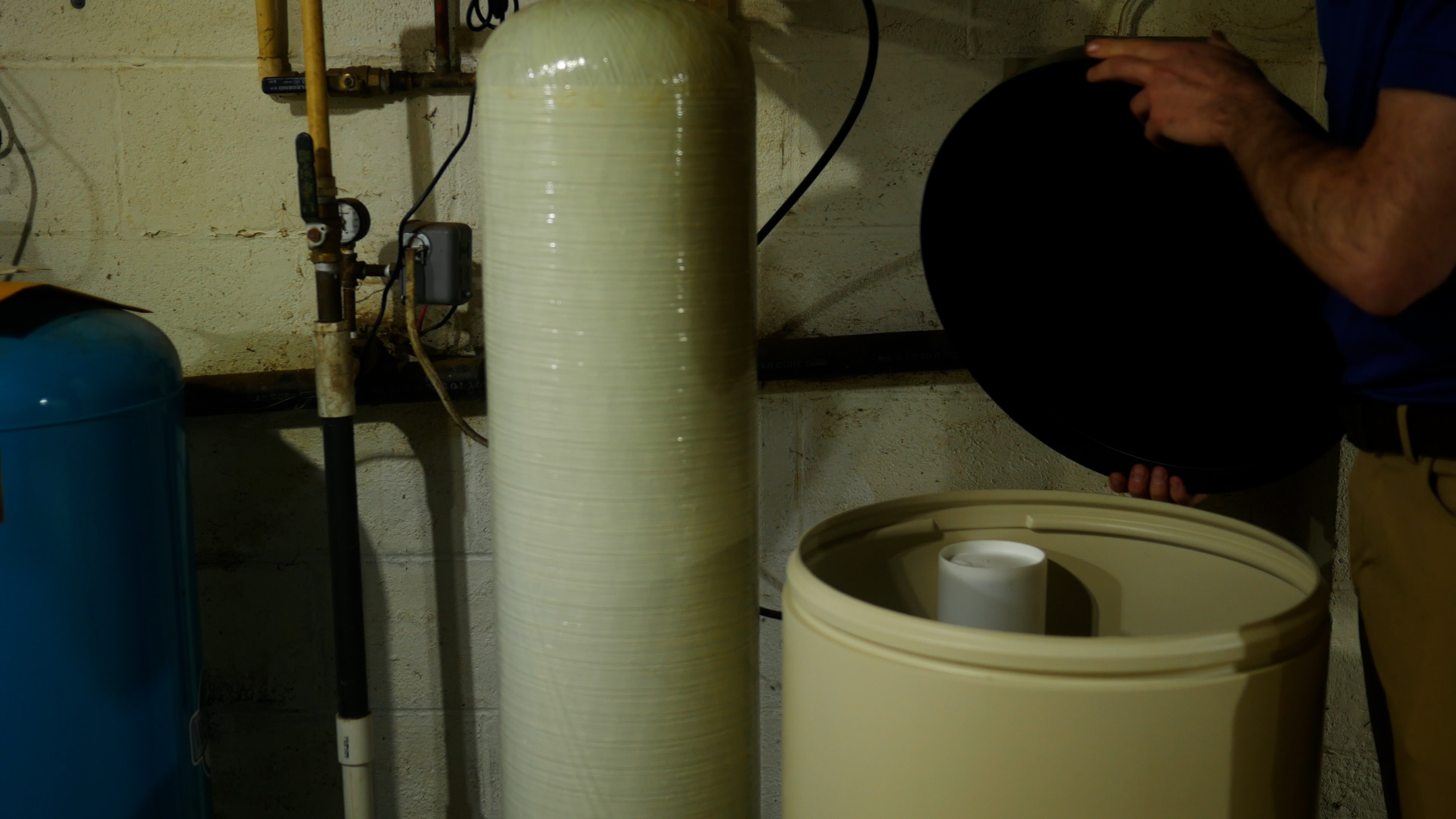
A salt-based ion exchange water softener is the gold standard for Phoenix. It removes calcium and magnesium through a resin bed that exchanges those ions for sodium. For Phoenix's 16 gpg water, look for a softener rated at a minimum of 32,000-grain capacity for average households (2–4 people). Larger homes or those with additional water-using appliances should consider 48,000-grain units.
2. Reverse Osmosis (Drinking Water)
For drinking and cooking water specifically, a reverse osmosis (RO) system under the kitchen sink removes dissolved minerals to near-zero levels, plus filters out nitrates, arsenic, and disinfection byproducts detected in Phoenix's water supply. RO produces the purest water of any residential filter type.
3. Whole-Home Carbon Filtration
A whole-home carbon filter upstream of a softener removes chlorine, chloramines, TTHMs, and HAA5s — addressing the disinfection byproduct issue while the softener handles hardness. This combination gives you the most complete protection.
Phoenix Water Hardness vs. Other Major Cities
| City | Hardness (gpg) | Classification |
|---|---|---|
| Las Vegas, NV | 16–18 | Extremely Hard |
| Phoenix, AZ | ~16 | Extremely Hard |
| San Antonio, TX | ~15 | Very Hard |
| Indianapolis, IN | ~12 | Hard |
| Jacksonville, FL | ~5 | Moderately Hard |
| Seattle, WA | ~1 | Soft |
DIY Hard Water Test for Phoenix Residents
You don't need to wait for a lab report to know if you have a hard water problem. Here's a simple home test:
- The soap test: Fill a clear water bottle halfway with tap water. Add about 10 drops of pure liquid soap (like castile soap) and shake vigorously for 10 seconds. If you get abundant, persistent suds — water is soft. If the water looks milky or cloudy with few suds — you have hard water.
- The visual test: Check the inside of your kettle or coffee maker for white, chalky deposits. Any visible buildup after a few weeks of use indicates meaningful hardness.
- Mail-in test kit: For precise results, a mail-in water test from a certified lab will give you exact hardness numbers plus a full contaminant panel.
Related Guides
Frequently Asked Questions About Phoenix Water Quality
📚 Official Sources & Further Reading
- 🏛️ City of Phoenix 2025 Annual Water Quality Report (CCR)
- 🔬 EWG Tap Water Database — City of Phoenix
- 💧 USGS Water Science School — Understanding Water Hardness
- 📋 EPA National Primary Drinking Water Regulations
- 🏠 Phoenix Hard Water Cost Calculator — HardWaterHQ
- 📊 Hard Water Statistics 2026 — National Data
- ⭐ Best Water Softeners 2026 — Reviewed for Very Hard Water
Related Resources
- PFAS-free and toxin-free material guides Clean water starts with clean materials too.
💧 Free Phoenix Hard Water Treatment Guide
Phoenix water at ~16 GPG is costing the average household $1,000+ per year in scale damage and energy waste. Get our free guide: what softeners actually work at this hardness level, what's a waste of money, and how to read the City of Phoenix CCR.
No spam. Unsubscribe anytime.