Quick Answer: Las Vegas water is 16–18 gpg — among the hardest municipal water in the US. It comes from Lake Mead via the Southern Nevada Water Authority. A whole-home salt-based water softener is essential for Las Vegas homes, combined with RO for drinking water.
Las Vegas is famous for excess — and its water quality is no exception. Sourced almost entirely from Lake Mead and the Colorado River, Las Vegas tap water is the hardest of any major US city, regularly measuring 16 to 18 grains per gallon (gpg). That translates to heavy limescale on everything water touches: faucets, appliances, plumbing, hair, and skin.
If you're a Las Vegas homeowner or renter wondering why your dishes look cloudy, your showerhead is clogged, and your water heater is running inefficiently, this guide explains exactly what's happening — and what to do about it.
Where Does Las Vegas Water Come From?
The Las Vegas Valley's water supply is managed by the Southern Nevada Water Authority (SNWA), a consortium of regional water agencies. Here's the breakdown:
- Lake Mead (Colorado River) — ~90%: Water is drawn from Lake Mead, Nevada's primary reservoir, through two intake structures. The Lake Mead water reflects the mineral composition of the Colorado River basin: high calcium, high magnesium, significant TDS (total dissolved solids).
- Groundwater — ~10%: Las Vegas supplements with groundwater during peak demand periods. Groundwater sources in the Las Vegas Valley tend to run even higher in mineral content than the surface water, sometimes exceeding 20 gpg in hardness.
The SNWA treats water at two major facilities — Alfred Merritt Smith Water Treatment Facility and River Mountains Water Treatment Facility — using conventional filtration, ozonation, and chloramination. While treatment removes biological contaminants, hardness minerals pass through untouched.
Las Vegas Water Hardness: The Numbers
Las Vegas Water Hardness Data
The 700 mg/L TDS figure is worth noting. The EPA's secondary drinking water standard suggests TDS should be below 500 mg/L for palatability. Las Vegas water exceeds this guideline, contributing to the flat, slightly chalky taste many residents notice. (Secondary standards are aesthetic guidelines, not health limits.)
Annual Water Quality Report Summary
The SNWA publishes a detailed Annual Water Quality Report each year, testing for hundreds of regulated and unregulated contaminants. Key findings from recent reports:
Disinfection Byproducts
- Total Trihalomethanes (TTHMs): Detected at 20–52 ppb (EPA MCL: 80 ppb). Within legal limits but present.
- Haloacetic Acids (HAA5): Detected at 15–28 ppb (EPA MCL: 60 ppb). Formed when chlorine or chloramines react with natural organic matter in Colorado River water.
- Chloramines: Las Vegas switched from free chlorine to chloramines (chlorine + ammonia) as the primary disinfectant. This reduces TTHM formation but introduces its own concerns — chloramines are harder to remove (requiring catalytic carbon rather than standard activated carbon) and can affect aquarium fish and dialysis patients.
Other Detected Contaminants
- Chromium-6: Detected at trace levels, well below California's more stringent standard (10 ppb) and below the federal standard. Chromium-6 is a naturally occurring mineral in Colorado River water.
- Nitrates: Low levels, well below the 10 mg/L EPA limit.
- Perchlorate: The Colorado River contains trace perchlorate from industrial and agricultural runoff. Detected at low levels, no federal MCL established yet.
How Las Vegas Hard Water Affects Your Home
Water Heaters
At 18 gpg, scale builds up rapidly in water heater tanks and tankless coils. Studies by the Water Quality Research Foundation found that extremely hard water (15+ gpg) can reduce gas water heater efficiency by 29% and cause tankless heaters to fail in as few as 1.6 years without treatment. Las Vegas homeowners report water heater replacements far more frequently than the national average.
Plumbing and Fixtures
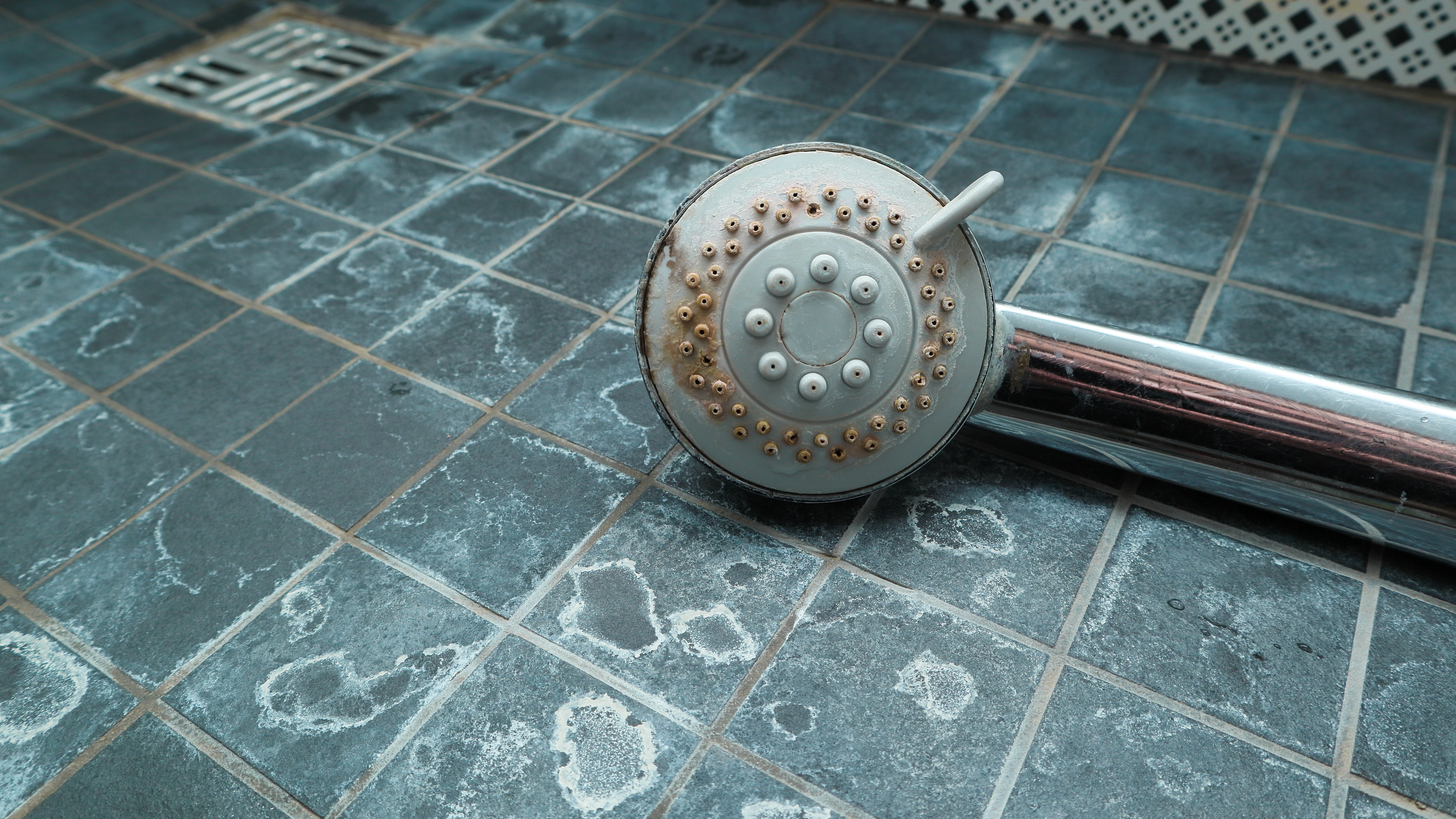
Las Vegas's hard water deposits limescale inside pipes over time, gradually reducing flow. Low-flow showerheads can clog completely within months. Faucet aerators need cleaning every few weeks. The chalky white residue visible on faucets and tile is calcium carbonate — the same material that makes limestone.
Skin and Hair
Las Vegas casinos and hotels are well aware of this issue — many strip properties filter water in rooms for this reason. Calcium and magnesium ions compete with soap molecules, requiring more soap for the same lather and leaving a residue on skin. Hard water is clinically associated with dry skin and eczema flares. Hair becomes brittle, loses shine, and color treatments fade faster.
Laundry
Hard water requires 30–50% more laundry detergent than soft water to achieve the same cleaning effectiveness. Fabrics washed repeatedly in hard water feel stiffer, fade faster, and wear out sooner. White fabrics can develop a gray tinge from mineral deposits that standard detergents can't prevent.
Recommended Solutions for Las Vegas Homes
Whole-Home Water Softener (Essential)
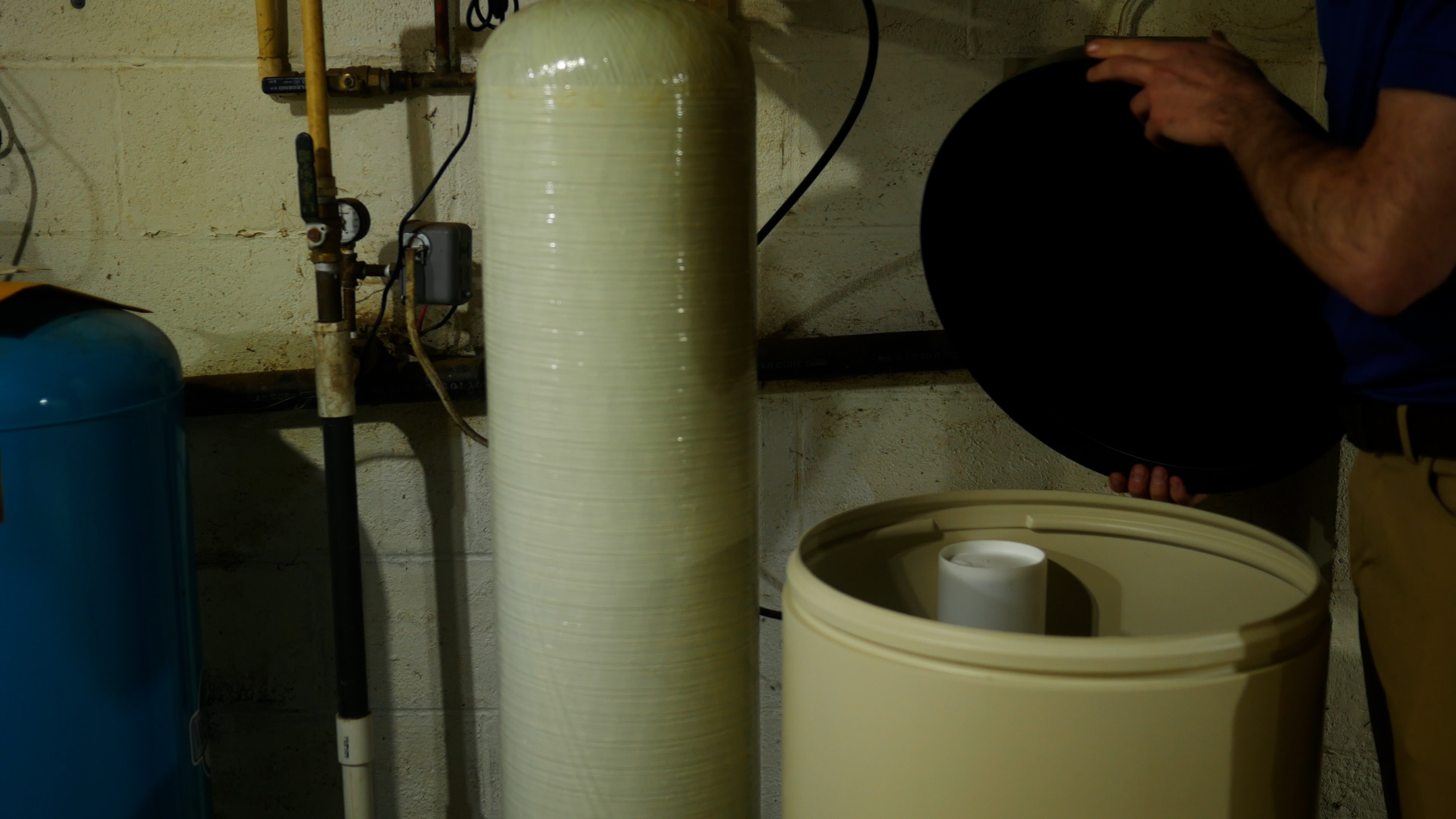
For Las Vegas, a water softener isn't a luxury — it's infrastructure. At 18 gpg, the payback period on a quality softener is typically 2–4 years in energy savings and avoided appliance repairs. Choose a salt-based ion exchange softener with at minimum 48,000-grain capacity. Ensure it's rated for the hardness range you have (verify your neighborhood's specific reading, as groundwater-served areas may be higher).
Whole-Home Carbon Filter for Chloramines
Standard activated carbon filters do not effectively remove chloramines. Las Vegas requires a catalytic carbon whole-home filter — specifically designed to break down chloramine molecules. Install this upstream of your softener to protect the resin and remove taste/odor concerns from the entire home's water supply.
Under-Sink Reverse Osmosis
For drinking and cooking water, a 5-stage RO system brings Las Vegas's 700 mg/L TDS water down to 25–50 mg/L — dramatically improving taste and removing chromium-6, nitrates, perchlorate, and any remaining disinfection byproducts. The difference in coffee, tea, pasta, and general cooking is noticeable immediately.
Las Vegas vs. Other Hard Water Cities
| City | Hardness (gpg) | Primary Source | Key Issue |
|---|---|---|---|
| Las Vegas, NV | 16–18 | Lake Mead / Colorado R. | Extreme scale, chloramines |
| Phoenix, AZ | ~16 | SRP / CAP | Scale, TTHMs |
| San Antonio, TX | ~15 | Edwards Aquifer | Limestone minerals |
| Indianapolis, IN | ~12 | White River | Scale, byproducts |
| Jacksonville, FL | ~5 | Floridan Aquifer | Chloramines, taste |
Frequently Asked Questions About Las Vegas Water Quality
📚 Official Sources & Further Reading
- 🏛️ Las Vegas Valley Water District — Annual Water Quality Report
- 🏛️ EWG Tap Water Database — Las Vegas Valley Water District
- 🏛️ Southern Nevada Water Authority — Water Quality
- 🏛️ USGS Water Science School — Water Hardness
- 🏛️ EPA National Primary Drinking Water Regulations
- 🏛️ Las Vegas Hard Water Cost Calculator — HardWaterHQ
Related Resources
- PFAS-free and toxin-free material guides Clean water starts with clean materials too.