Quick Answer: Indianapolis water hardness is approximately 18.7 gpg — classified as Very Hard. The water comes from the White River and Fall Creek, treated by Citizens Energy Group. A whole-home water softener is recommended, combined with carbon filtration for disinfection byproducts.
Indianapolis may not make the news for water quality the way Phoenix or Las Vegas does, but at roughly 12 grains per gallon, Indy residents are dealing with genuinely hard water — enough to leave scale on appliances, dry out skin, and significantly increase energy costs. On top of hardness, Indianapolis's surface water source introduces agricultural runoff contaminants and disinfection byproducts that are worth understanding.
This guide covers where Indianapolis water comes from, what Citizens Energy Group's annual water quality reports reveal, and the most effective treatment strategies for Indianapolis homeowners.
Where Does Indianapolis Get Its Water?
The vast majority of Indianapolis's municipal water comes from surface water sources managed by Citizens Energy Group:
- White River / Morse Reservoir: The primary source. The White River is an agricultural watershed — it drains heavily farmed central Indiana. This means the water naturally carries nitrogen compounds (nitrates), agricultural pesticide residues, and organic matter that interacts with disinfectants to form byproducts.
- Fall Creek Reservoir: A secondary surface water source in northeastern Marion County, also subject to runoff from surrounding development and agriculture.
- Groundwater wells: Citizens Energy Group maintains emergency groundwater wells as backup sources during drought or quality events on the surface water system.
How Surface Water Creates Hard Water in Indiana
Unlike desert cities where water hardness comes from arid rock formations, Indianapolis's hardness comes from the glacially deposited limestone and dolostone soils of central Indiana. As rainwater and river water move through these soils, they pick up dissolved calcium and magnesium. The result is moderately hard surface water that, while not as extreme as Phoenix or Las Vegas, is still firmly in the "Very Hard" category and causes measurable scale accumulation.
How Hard Is Indianapolis Water?
Indianapolis Water Hardness Profile
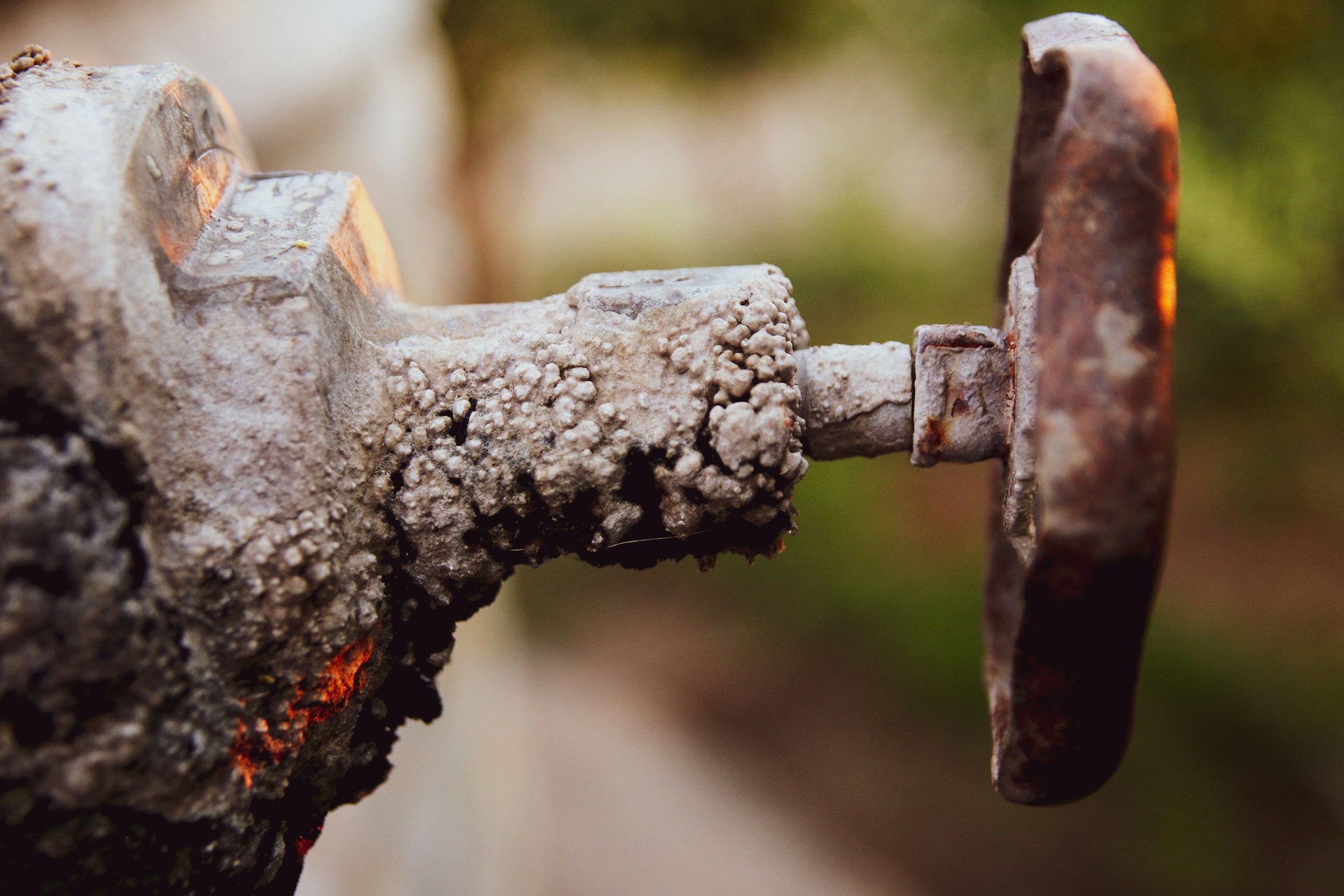
At 18.7 gpg, Indianapolis water deposits about 1/12 of an inch of limescale annually in water heaters and pipes under typical use. This is less extreme than Phoenix or Las Vegas but still significant over a 5–10 year period — water heaters in Indianapolis homes without treatment accumulate meaningful scale that reduces efficiency and lifespan.
What Does the Citizens Energy Annual Water Quality Report Show?
Citizens Energy Group publishes a detailed Consumer Confidence Report annually. Here's what recent reports show:
Disinfection Byproducts
Indianapolis's surface water source — the agricultural White River — contains naturally high organic matter (humic acids, fulvic acids from decomposing vegetation). When chlorine or chloramines are added for disinfection, they react with this organic matter to form disinfection byproducts:
- Total Trihalomethanes (TTHMs): Detected at 38–72 ppb (EPA MCL: 80 ppb). Indianapolis's TTHM levels run higher than many US cities due to the organic-rich river source. While within legal limits, levels at the upper end of this range have prompted ongoing monitoring.
- Haloacetic Acids (HAA5s): Detected at 26–52 ppb (EPA MCL: 60 ppb). Similar explanation — high organic content in source water produces more HAAs during disinfection.
Nitrates
The White River drains heavily agricultural land. Nitrates from fertilizer runoff are consistently detected in Indianapolis water, typically 1–4 mg/L (EPA limit: 10 mg/L). While well below the limit for most adults, parents of infants should be aware: EPA recommends against using tap water above 10 mg/L to prepare infant formula, and some experts suggest caution below that level for newborns.
PFAS (Emerging Concern)
Per- and polyfluoroalkyl substances (PFAS) — sometimes called "forever chemicals" — have been detected in some Indianapolis-area water supplies connected to military and industrial sites upstream. Citizens Energy Group has tested for PFAS. The EPA's 2026 National Primary Drinking Water Regulations established new maximum contaminant levels (MCLs) for PFOA (4 ppt) and PFOS (4 ppt) that are dramatically stricter than previous guidelines. Indianapolis residents should consult the latest annual report for current PFAS data.
Lead and Copper
Like many Midwestern cities with older housing stock, Indianapolis has areas with older plumbing that can introduce lead at the tap. Citizens Energy treats water with orthophosphate (a corrosion inhibitor) to reduce lead leaching. Still, homes built before 1986 may have lead service lines or lead solder — residents in older homes should test their tap water for lead separately, as lead is not present in the source water but can leach from household plumbing.
Health Effects of Indianapolis Water
Scale and Appliance Damage
At 18.7 gpg, Indianapolis homeowners see meaningful limescale accumulation. Water heaters lose 15–20% efficiency within 3–5 years without treatment. Dishwashers leave white film on glasses and ceramics. Washing machines require significantly more detergent. Coffee makers and kettles need regular descaling.
Skin and Hair
While 18.7 gpg isn't as extreme as Phoenix, it's still enough to cause dry skin after showering, reduced lather from soap and shampoo, and mineral deposits on hair over time. Indianapolis residents with sensitive skin or eczema may find relief with a water softener even at this moderate hardness level.
Disinfection Byproduct Exposure
The elevated TTHM/HAA5 levels in Indianapolis water are worth addressing for long-term health. Activated carbon filtration — either at the tap or whole-home — reduces these compounds by 80–95%. This is one of the most straightforward and affordable water quality improvements Indianapolis residents can make.
Recommended Solutions for Indianapolis Homes
Whole-Home Carbon + Softener Combo
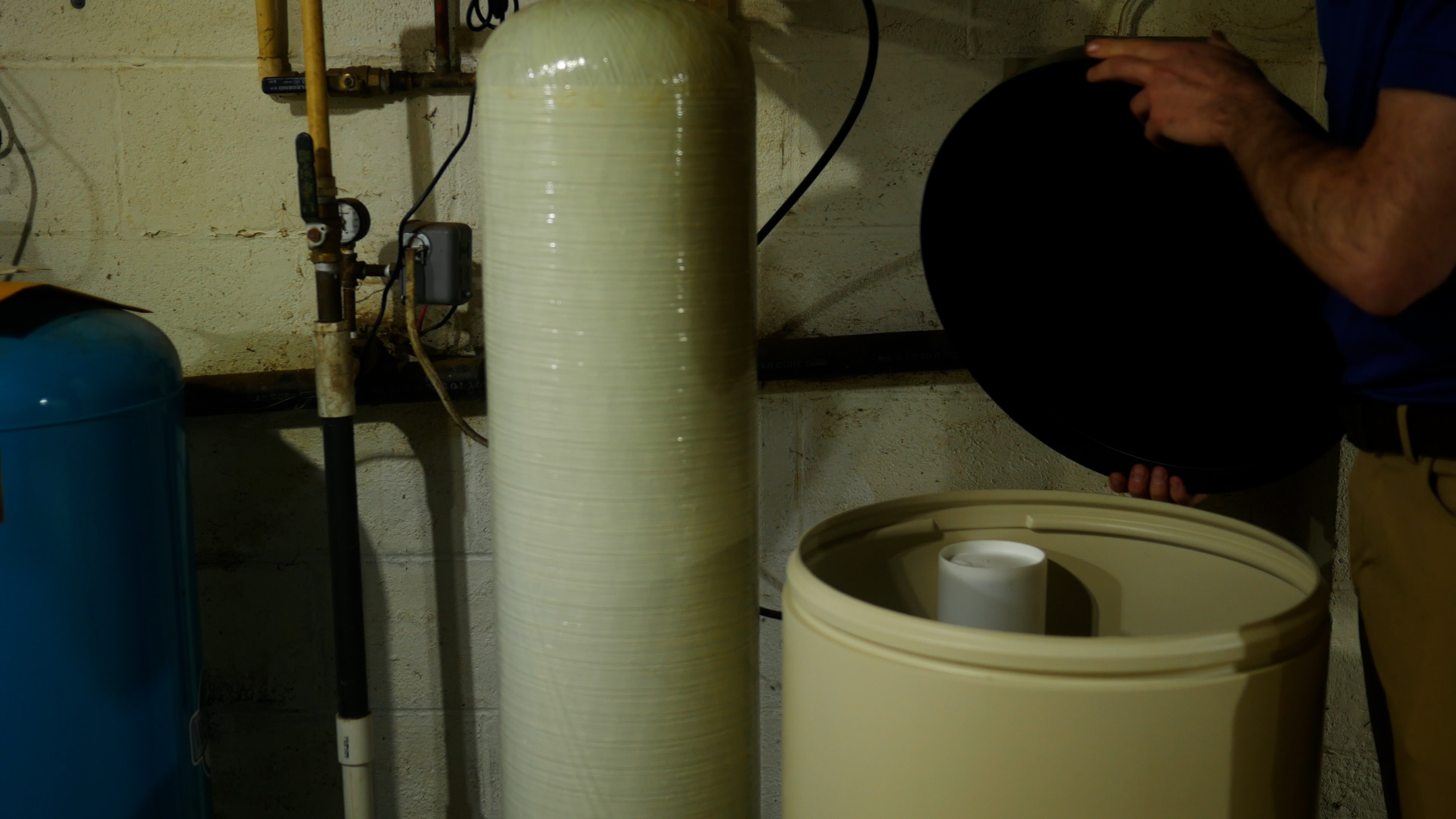
Given Indianapolis's combination of moderate hardness AND elevated disinfection byproducts, a two-stage approach works well: a whole-home carbon filter (removes TTHMs, HAAs, chlorine) followed by a water softener (removes hardness). This combination is available as integrated units or as separate sequential systems.
Under-Sink Reverse Osmosis
For drinking and cooking water, a 5-stage RO system removes nitrates, TTHMs, HAAs, potential PFAS, and dissolved minerals. Given Indianapolis's PFAS testing situation and above-average disinfection byproducts, an RO system is a particularly good investment here.
Lead Test (Older Homes)
If your Indianapolis home was built before 1986, test your tap water for lead before assuming the annual report applies to your specific home. Lead testing kits are available at hardware stores, or you can use a certified laboratory for more accurate results.
How Does Indianapolis Compare to Other Cities?
| City | Hardness (gpg) | Classification |
|---|---|---|
| Las Vegas, NV | 16–18 | Extremely Hard |
| Phoenix, AZ | ~16 | Extremely Hard |
| San Antonio, TX | ~15 | Very Hard |
| Houston, TX | ~12 | Very Hard |
| Indianapolis, IN | ~12 | Hard |
| Jacksonville, FL | ~5 | Moderately Hard |
| Seattle, WA | ~1 | Soft |
Frequently Asked Questions About Indianapolis Water Quality
📚 Official Sources & Further Reading
- 🏛️ Citizens Energy Group — Indianapolis Annual Water Quality Reports
- 🏛️ EWG Tap Water Database — Citizens Energy Group Water
- 🏛️ USGS Water Science School — Water Hardness
- 🏛️ EPA National Primary Drinking Water Regulations
- 🏛️ Indianapolis Hard Water Cost Calculator — HardWaterHQ
- 🏛️ Best Water Softeners 2026 — Reviewed for Very Hard Water
Related Resources
- PFAS-free and toxin-free material guides Clean water starts with clean materials too.