Quick Answer: London, Ontario water is hard to very hard, ranging from 9 to 13 grains per gallon (gpg), sourced from the Thames River. Southwestern Ontario's limestone geology creates characteristically hard water throughout the region. The Thames River watershed is one of Ontario's most intensively farmed areas — agricultural chemical and nutrient runoff is a persistent concern. A water softener is strongly recommended. A reverse osmosis system for drinking water is advised.
Is London Water Hard or Soft?
London Water Hardness Data
According to City of London — Water Division annual water quality reports, London water hardness ranges from 9 to 13 grains per gallon (gpg) — classified as hard to very hard. The city uses chloramine as its primary disinfectant, which requires catalytic carbon filters (not standard activated carbon) for effective removal. See the home water hardness test guide to verify your specific tap's hardness level.
Where Does London Get Its Water?
London draws its drinking water from Thames River (Lake Huron tributary), managed by City of London — Water Division.
The City of London draws water from the Thames River at two intake structures and treats it at the Elgin Area and Lake Huron primary water treatment plants (which serve London via a regional pipeline) as well as local facilities. Southwestern Ontario sits on thick limestone and dolostone bedrock deposits from ancient Silurian sea beds. As the Thames River flows through this geology, it dissolves calcium and magnesium, producing naturally hard water. The river's agricultural watershed — encompassing Middlesex, Elgin, and Oxford counties — contributes significant nutrient and pesticide loads.
What Contaminants Are in London Water?
According to City of London — Water Division annual water quality reports and independent EWG Tap Water Database analysis, the primary concerns in London drinking water include:
- Disinfection Byproducts: London uses chloramine to disinfect water. When chloramine reacts with natural organic matter, it forms trihalomethanes (TTHMs) and haloacetic acids (HAA5) — compounds linked to increased cancer risk with long-term exposure.
- Key Concerns: Hard water from southwestern Ontario limestone geology, agricultural nutrient and pesticide runoff from Thames River watershed (one of Ontario's most intensively farmed regions), E. coli from livestock, and disinfection byproducts.
- Agricultural and Urban Runoff: Depending on watershed proximity to farmland or industry, nitrates, pesticides, and industrial chemicals may be present at low levels.
Hard Water Effects in London
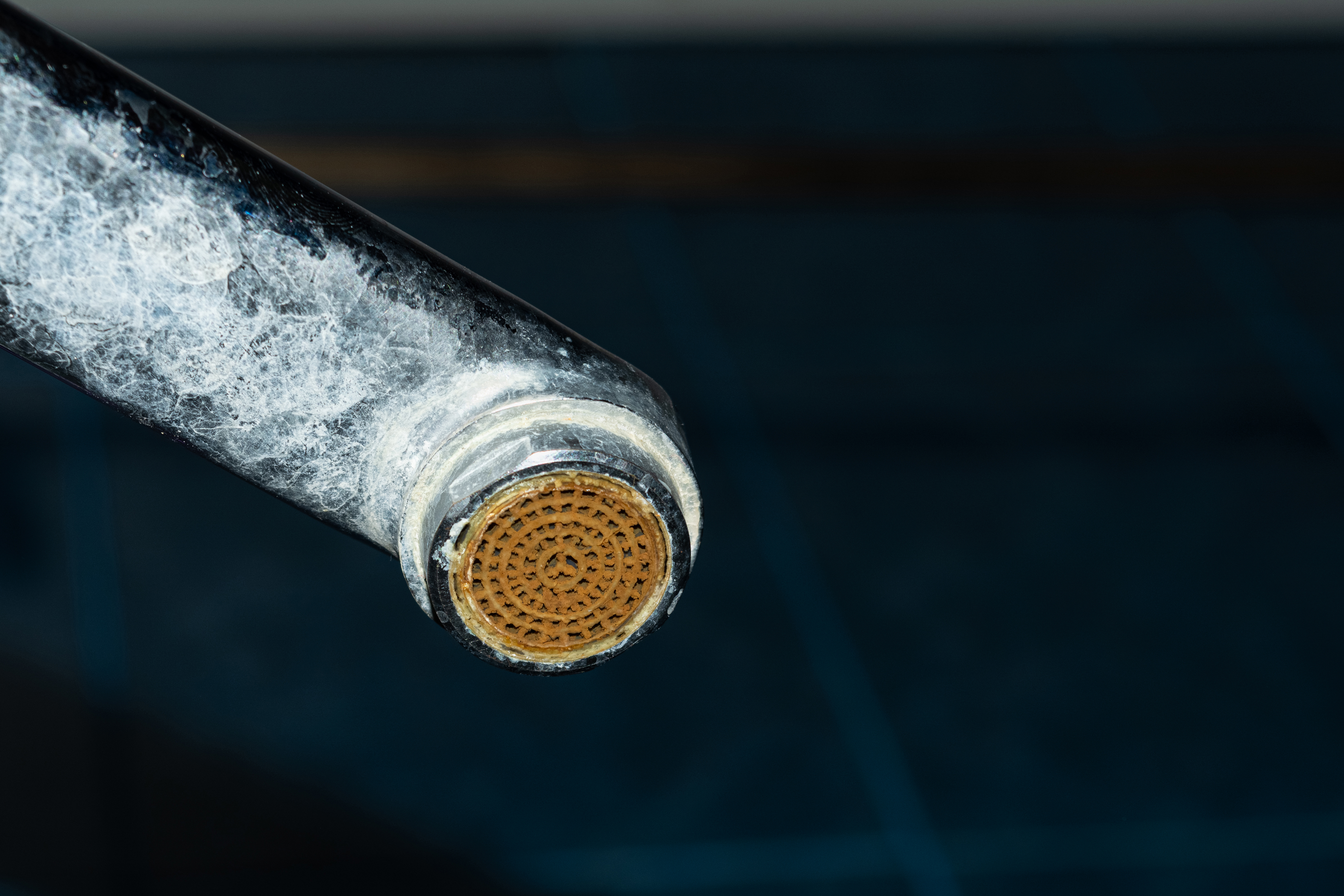
At 9–13 gpg, London water causes significant scale buildup in water heaters, pipes, dishwashers, and faucets. Limescale accumulation reduces water heater efficiency by up to 48% over time and shortens appliance lifespan considerably.
The EPA estimates hard water costs US households $800–$1,500 per year in excess energy, detergent use, and appliance wear. For London residents with hard to very hard water, investing in a quality water softener typically pays for itself within 2–4 years.
Best Water Treatment Solutions for London Homes
1. Water Softener — Yes
Yes — London, Ontario has hard to very hard water; a water softener is strongly recommended. A traditional salt-based ion-exchange water softener is the most effective solution for London's hard to very hard water. Look for a softener sized for your household (grain capacity based on water hardness × daily usage). See our top water softener picks for 2026.
2. Whole-Home Carbon Filtration
A whole-home carbon filter removes chloramine, disinfection byproducts (TTHMs, HAA5), chlorine taste and odor, and many industrial chemicals before water enters your home's plumbing. For chloramine-treated water like London's, use a catalytic carbon filter — standard activated carbon removes chloramine much less effectively.
3. Reverse Osmosis System (Drinking Water)
For drinking and cooking water, a reverse osmosis (RO) system under the kitchen sink is the most comprehensive solution. RO removes dissolved minerals to near-zero levels, plus filters out PFAS, nitrates, heavy metals, radium, disinfection byproducts, and most other contaminants of concern in London water. Look for NSF/ANSI 58-certified systems. See our guide on water treatment options for 2026.
London Water Hardness vs. Other Major Cities
| City | Hardness (gpg) | Classification |
|---|---|---|
| Las Vegas, NV | 16–18 | Extremely Hard |
| Phoenix, AZ | ~16 | Extremely Hard |
| Dallas, TX | ~14 | Very Hard |
| London, ON | 9–13 | Hard to Very Hard |
| Chicago, IL | ~8.2 | Hard |
| Ottawa, ON | 2.5–5 | Soft to Moderately Soft |
| Seattle, WA | ~1.2 | Soft |
How to Test Your Water Hardness at Home
You can verify London's water hardness at your specific tap using these simple methods:
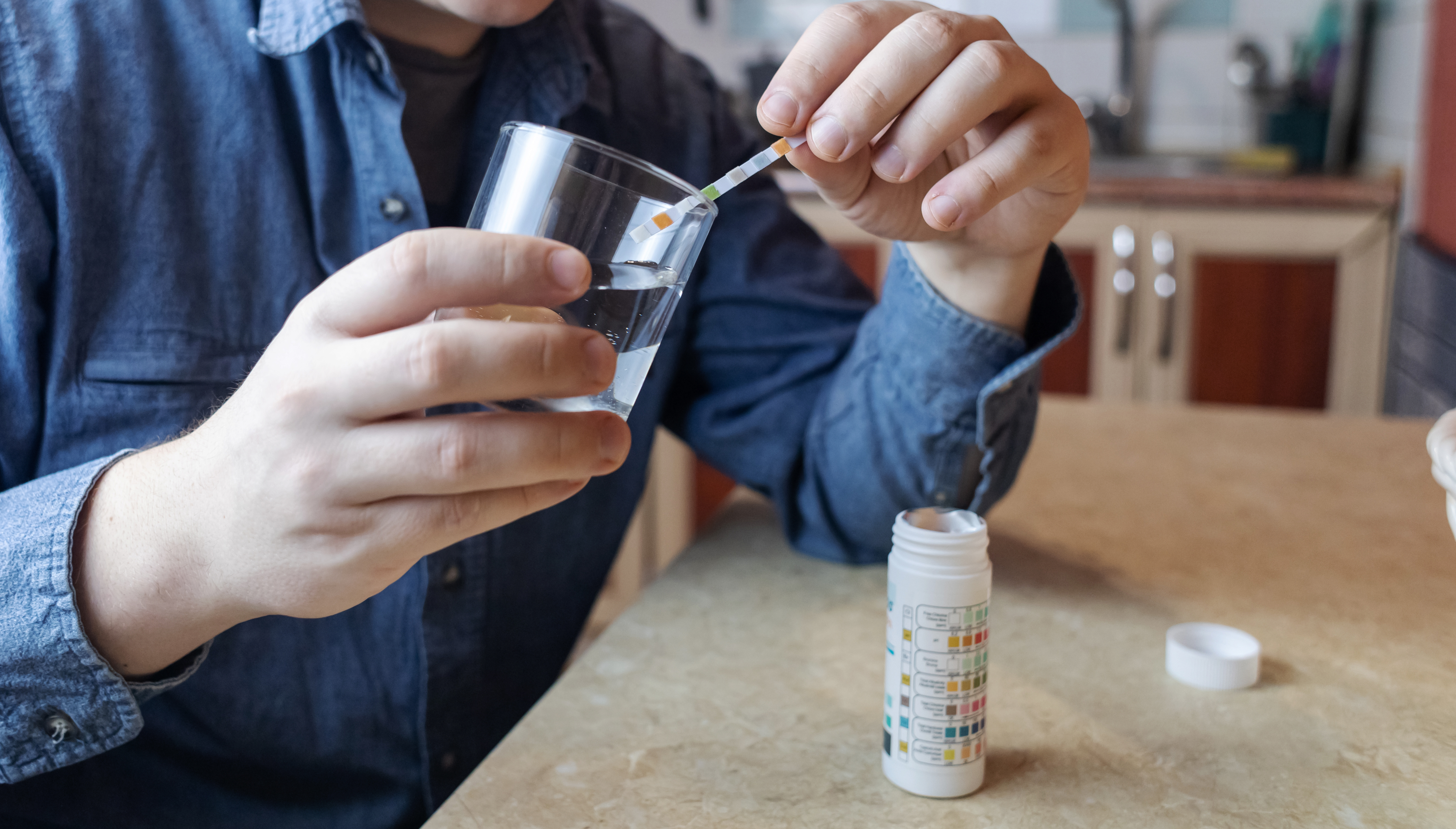
- Test strips: Dip a water hardness test strip in a glass of cold tap water. Results appear in seconds. Accuracy: ±1–2 gpg. Inexpensive and widely available.
- The soap test: Fill a clear bottle halfway with tap water, add 10 drops of pure liquid castile soap, and shake vigorously. Abundant, persistent suds = soft water. Milky, soapy film with few suds = hard water.
- Visual check: White crusty deposits inside your toilet tank, on showerheads, or around faucet bases are limescale — a reliable sign of hard water above ~7 gpg.
- Lab test: For precise results, send a water sample to a certified lab. This also tests for contaminants beyond hardness. See our full home water testing guide.
⭐ Recommended Treatment
Fleck 5600SXT Whole-House Water Softener
Ion-exchange softener — the go-to for hard water above 7 GPG. Metered regeneration saves salt.
$650–$900 + installation
Check Price on Amazon →APEC ROES-50 Reverse Osmosis System
Pair with the softener for drinking water. 5-stage RO removes chlorine, lead, chromium-6, PFAS, and dissolved minerals. Under-sink install.
$180–$220
Check Price on Amazon →Water Hardness Test Strips
Verify your exact hardness level before sizing a softener. Results in 30 seconds, accurate enough for treatment decisions.
~$10
Check Price on Amazon →Related Resources
- PFAS-free and toxin-free material guides Clean water starts with clean materials too.