What 9.6 GPG Means for Your Home
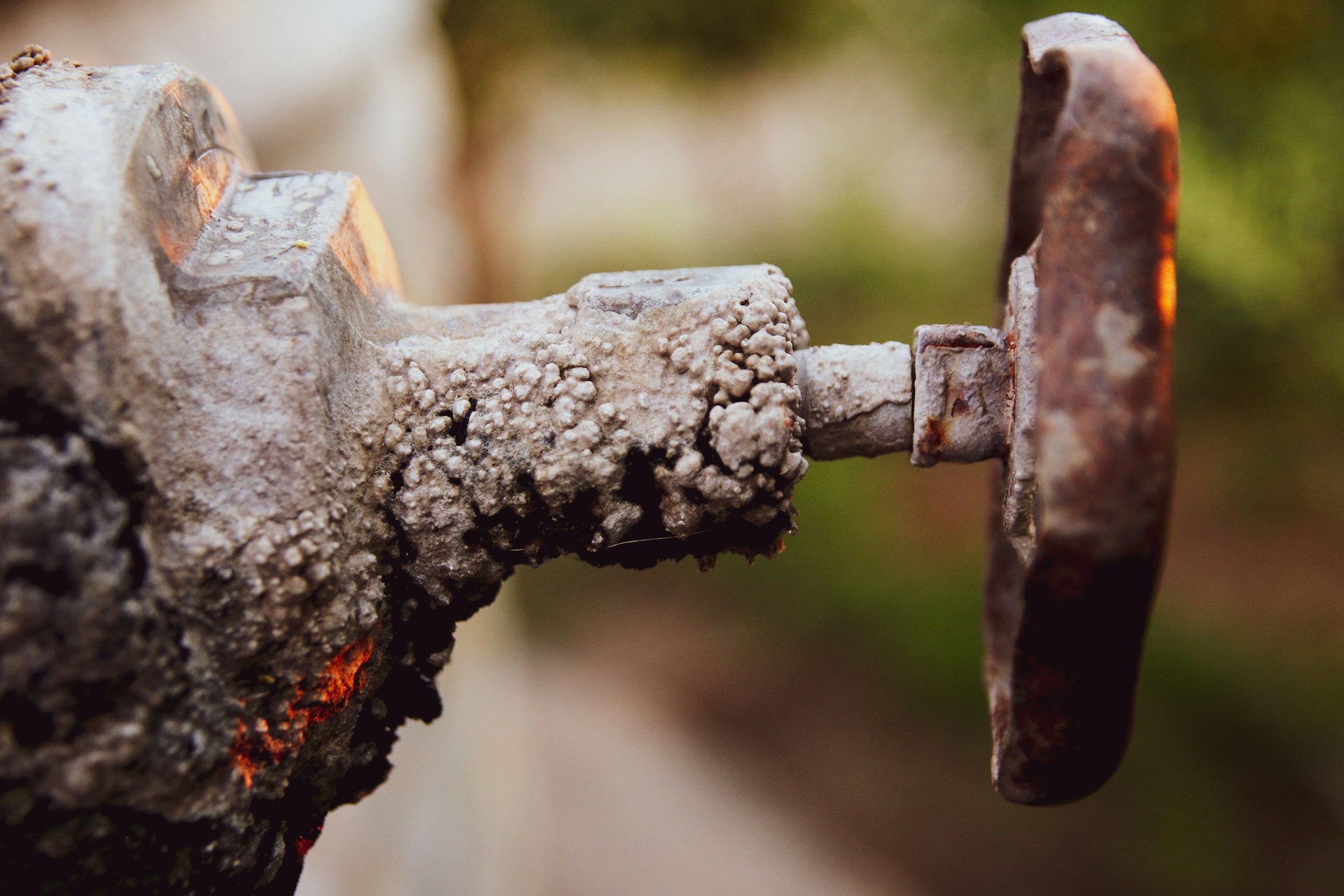
Cheyenne water at 9.6 GPG is solidly in "hard" territory. This isn't a subtle difference — white mineral deposits on faucets and showerheads, cloudy glassware even after a full dishwasher cycle, dry skin and flat hair after showers, and a water heater that's losing efficiency month by month as scale accumulates inside the tank.
The Battelle Memorial Institute study found that water heaters on hard water above 7 GPG lost measurable efficiency within the first year. At Cheyenne's 9.6 GPG, you're looking at a 11% energy penalty on water heating alone — and that's before counting the shortened lifespan of every water-using appliance in your home.
At this level, most Cheyenne plumbers will recommend a traditional ion-exchange softener over a salt-free conditioner. Conditioners prevent scale from sticking but don't remove the minerals — at 9.6 GPG, you want actual removal. A whole-house softener in the $800–$1,200 range handles this hardness level comfortably for a family of four.
Signs of Hard Water in Cheyenne Homes
At 9.6 GPG (164 ppm), Cheyenne residents typically notice significant hard water effects throughout their homes. According to the USGS Water Science School, water above 7 GPG is classified as hard and causes measurable physical damage to plumbing and appliances.
- White or grey crust on faucet aerators, showerheads, and around drains — calcium carbonate depositing as water evaporates
- Spotty glassware even after a full dishwasher cycle — mineral film left behind when water dries
- Reduced water heater efficiency — scale insulates heating elements, forcing the unit to work harder and driving up energy bills
- Flat, stiff hair after showering — calcium bonds to hair proteins and prevents shampoo from fully rinsing
- Dry, itchy skin — dissolved minerals disrupt the skin's natural moisture barrier
- Reduced soap lather — hard water ions react with soap to form insoluble soap scum instead of suds
- Shortened appliance lifespan — washing machines, dishwashers, and coffee makers accumulate scale internally
The Battelle Memorial Institute study commissioned by the Water Quality Research Foundation found that water heaters running on untreated very hard water failed in under 2 years, while identical units on softened water lasted the full 10-year test period. At Cheyenne's 9.6 GPG level, the annual equipment degradation adds up faster than most homeowners expect.
What a Cheyenne Plumber Would Recommend
Recommended: Fleck 5600SXT Whole-House Softener
The industry standard for residential softening. Metered regeneration, 48,000-grain capacity — handles Cheyenne's 9.6 GPG for a family of 4. Digital control head, 10-year tank warranty.
$650–$900 + installation
Check Current Price →For Drinking Water: APEC ROES-50 Reverse Osmosis
Pair the softener with an under-sink RO for clean drinking water. Removes contaminants the softener doesn't touch. The softener protects the house; the RO protects what you drink.
$180–$220
Check Current Price →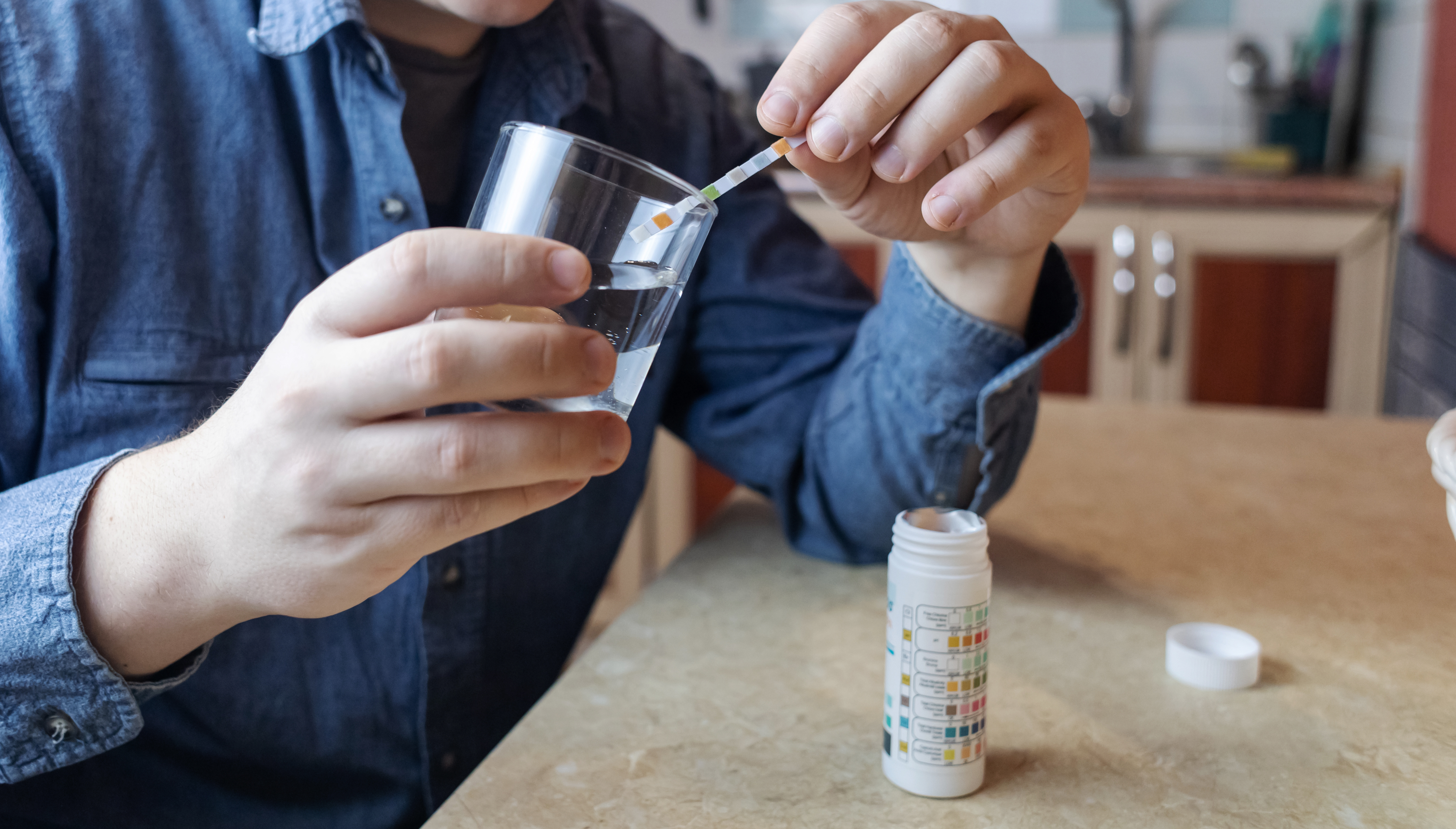
How to Test Your Cheyenne Water Hardness
While this page reports the average hardness for Cheyenne as measured at the distribution system, your specific tap hardness can vary slightly depending on your neighbourhood's pipe age, proximity to the treatment plant, and whether your home has any in-line filtration already installed.
The most accurate DIY option is a TDS meter (total dissolved solids, ~$15 on Amazon) combined with a hardness test strip kit (~$10). Strips give you a GPG reading within seconds. For a lab-accurate result, most water treatment companies in Cheyenne offer free in-home water tests — though be prepared for a sales pitch. The NSF International also maintains a database of certified water testing labs if you want an independent result.
The EPA's drinking water standards don't regulate hardness (it's not a health hazard), but the EWG Tap Water Database provides utility-level data including contaminants detected above health guidelines — worth checking for Cheyenne's specific utility alongside hardness data.
💧 Free Hard Water Treatment Guide
Is Cheyenne's water damaging your home? Get our free hard water treatment guide — what works at hard hardness levels, what's a waste of money, and how to read your utility's annual report.
No spam. Unsubscribe anytime.
Compare Nearby Cities
More Cheyenne Water Resources
💧 Water Treatment Professionals: This Page Is Yours
Send it to customers who ask "do I really need a softener?" — the calculator answers the question better than a brochure. Add it to your website, print the cost breakdown, or text the link directly.
Want an embeddable widget showing Cheyenne's hardness and cost estimate? Contact outreach (at) gravisongrowth.com