What 4.1 GPG Means for Your Home
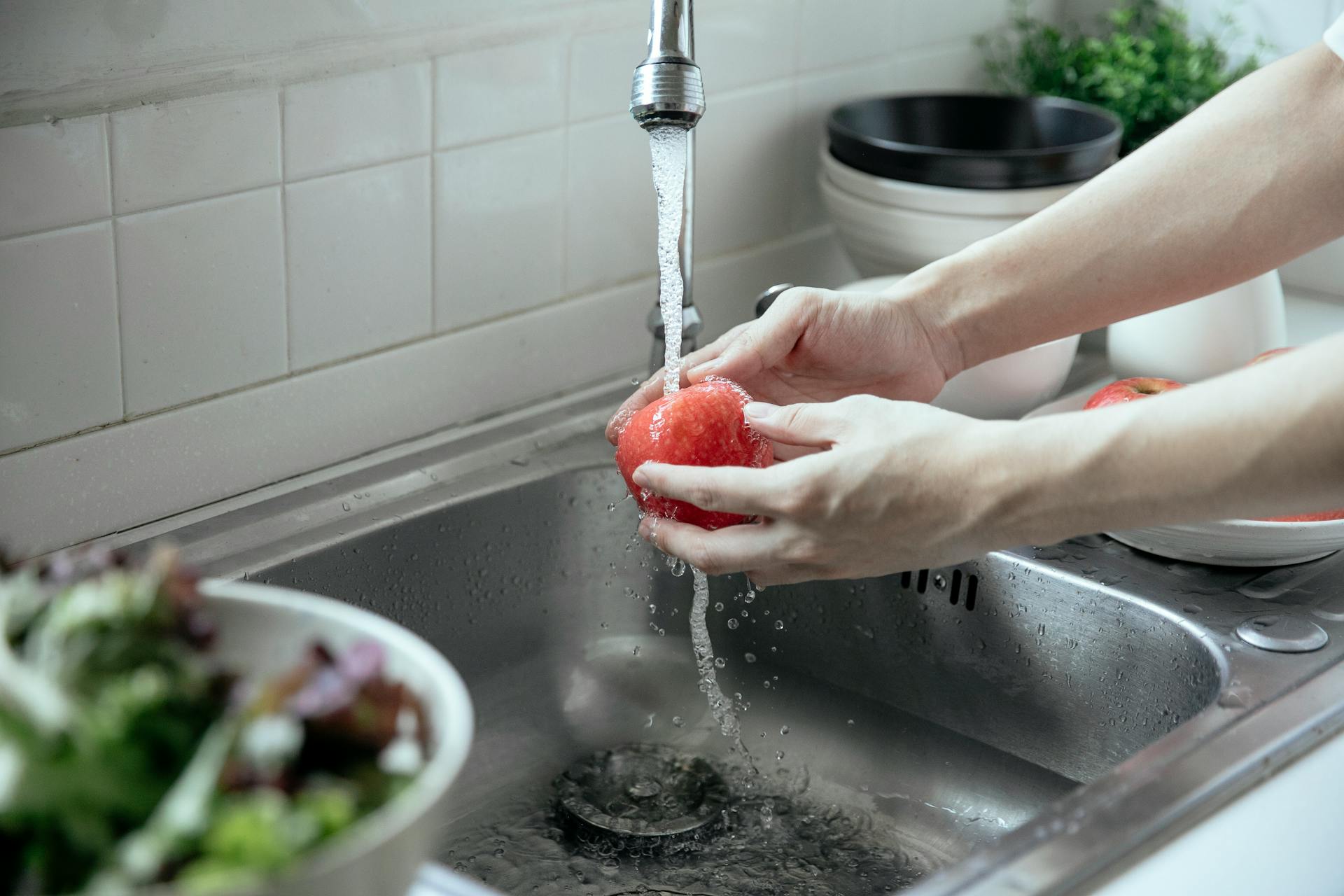
At 4.1 GPG, Savannah water sits in the moderate range — not terrible, but enough to notice. You'll see light spotting on glassware after the dishwasher runs. Shower doors get a faint film. Soap doesn't lather quite as freely as you'd expect.
The Battelle Memorial Institute research shows measurable efficiency losses starting around 5 GPG. At Savannah's level, your water heater is working roughly 5% harder than it would on soft water, and appliance lifespans are shortened — though not as dramatically as in very hard water cities.
Most plumbers in Savannah will say a salt-free conditioner is adequate at this hardness level. It prevents scale from adhering to surfaces without adding sodium to your water. If you want to go further, a traditional softener works too — but the payback period is longer at moderate hardness since the annual damage is lower.
Hard Water Signs in Savannah: What to Look For
At 4.1 GPG, Savannah water is in the moderate range. You may notice subtle signs: light spotting on glassware after the dishwasher runs, a faint mineral film on shower doors, or slightly reduced soap lather. These are less severe than in hard water cities, but still worth monitoring. The USGS classifies Savannah's water as moderate — below the threshold where aggressive treatment is typically needed.
What a Savannah Plumber Would Recommend
Recommended: Pelican NaturSoft Salt-Free Conditioner
At moderate hardness, a salt-free system prevents scale without adding sodium. No backwash, no drain line, no electricity, no salt bags. Prevents up to 99.6% of scale at this hardness level. 600K-gallon cartridge lasts most households 5+ years.
$1,200–$1,800
Check Current Price →Also Consider: SpringWell Whole-House Filter
If contaminants are the bigger concern, a whole-house carbon filter addresses chlorine, THMs, and other chemicals while a conditioner handles the hardness. Can be paired together.
$800–$1,400
Check Current Price →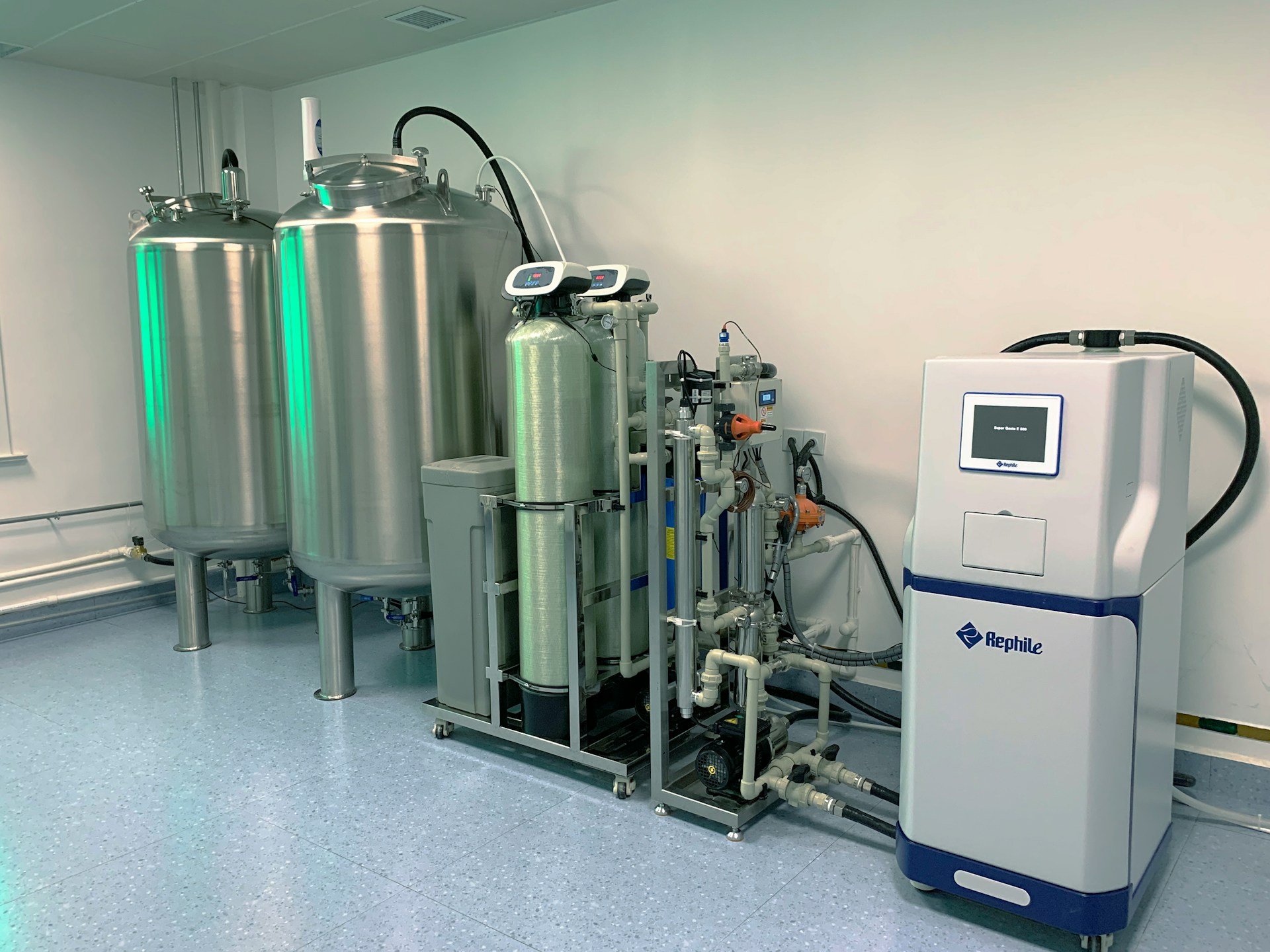
How to Test Your Savannah Water Hardness
While this page reports the average hardness for Savannah as measured at the distribution system, your specific tap hardness can vary slightly depending on your neighbourhood's pipe age, proximity to the treatment plant, and whether your home has any in-line filtration already installed.
The most accurate DIY option is a TDS meter (total dissolved solids, ~$15 on Amazon) combined with a hardness test strip kit (~$10). Strips give you a GPG reading within seconds. For a lab-accurate result, most water treatment companies in Savannah offer free in-home water tests — though be prepared for a sales pitch. The NSF International also maintains a database of certified water testing labs if you want an independent result.
The EPA's drinking water standards don't regulate hardness (it's not a health hazard), but the EWG Tap Water Database provides utility-level data including contaminants detected above health guidelines — worth checking for Savannah's specific utility alongside hardness data.
💧 Free Hard Water Treatment Guide
Get our free water quality guide — treatment options, contaminant lookup, and how to read your Savannah utility's annual report.
No spam. Unsubscribe anytime.
Compare Nearby Cities
More Savannah Water Resources
💧 Water Treatment Professionals: This Page Is Yours
Send it to customers who ask "do I really need a softener?" — the calculator answers the question better than a brochure. Add it to your website, print the cost breakdown, or text the link directly.
Want an embeddable widget showing Savannah's hardness and cost estimate? Contact outreach (at) gravisongrowth.com