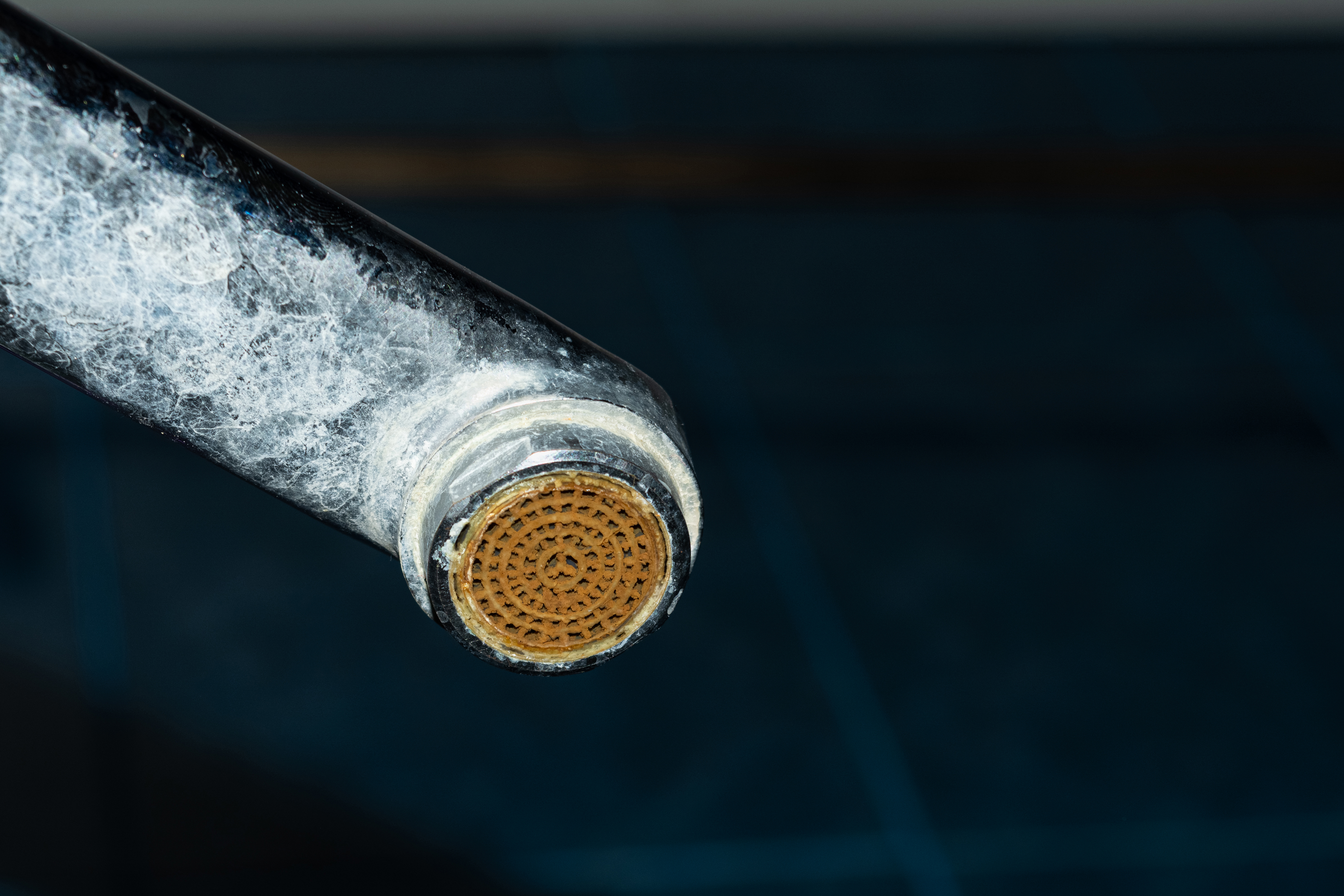
Tucson Water Hardness at a Glance
Tucson, AZ — Water Hardness Data
This city's hardness sits near the top of the national scale.
Why Is Tucson Water So Hard?
Tucson draws from the Colorado River via the CAP canal and local Tucson Basin groundwater. The Tucson Basin's alluvial aquifer sits in a desert basin surrounded by mountain ranges, and water percolating through the alluvial sediments and limestone-influenced geology picks up significant minerals. Colorado River water is independently very hard from its plateau journey, making Tucson's blended supply consistently very hard.
The USGS classifies Tucson's 12–16 gpg as Very Hard.
How Tucson Compares to Other Major Cities
| City | Hardness (gpg) | Classification |
|---|---|---|
| Tucson, AZ (this city) | 12–16 gpg | Very Hard |
| Las Vegas, NV | 16–17 gpg | Very Hard |
| Phoenix, AZ | 16–18 gpg | Very Hard |
| Indianapolis, IN | 14–16 gpg | Very Hard |
| Chicago, IL | 8–11 gpg | Hard |
| Atlanta, GA | 7–9 gpg | Moderately Hard |
| Denver, CO | 4–6 gpg | Moderately Hard |
| Seattle, WA | 1–3 gpg | Soft |
| Vancouver, BC | 0.3–0.6 gpg | Soft |
| US National Average | ~10 gpg | Hard |
What Hard Water Does to a Tucson Home
At 12–16 gpg, scale damage in Tucson is aggressive. Here's what that looks like in practice:
- Water heaters: The US Department of Energy estimates scale reduces water heater efficiency by up to 30% for every 5 gpg of hardness. Tank and tankless units accumulate scale on heating elements and heat exchangers, forcing them to work harder.
- Dishwashers: White film on glasses and dishes is common. Spray arm ports clog with scale, reducing cleaning performance — see our guide to hard water and dishwashers for solutions short of a full softener.
- Showerheads and faucets: Visible white mineral deposits accumulate on fixtures. Flow rates drop as scale narrows openings. See our guide on hard water and hair for tips on protecting hair and skin.
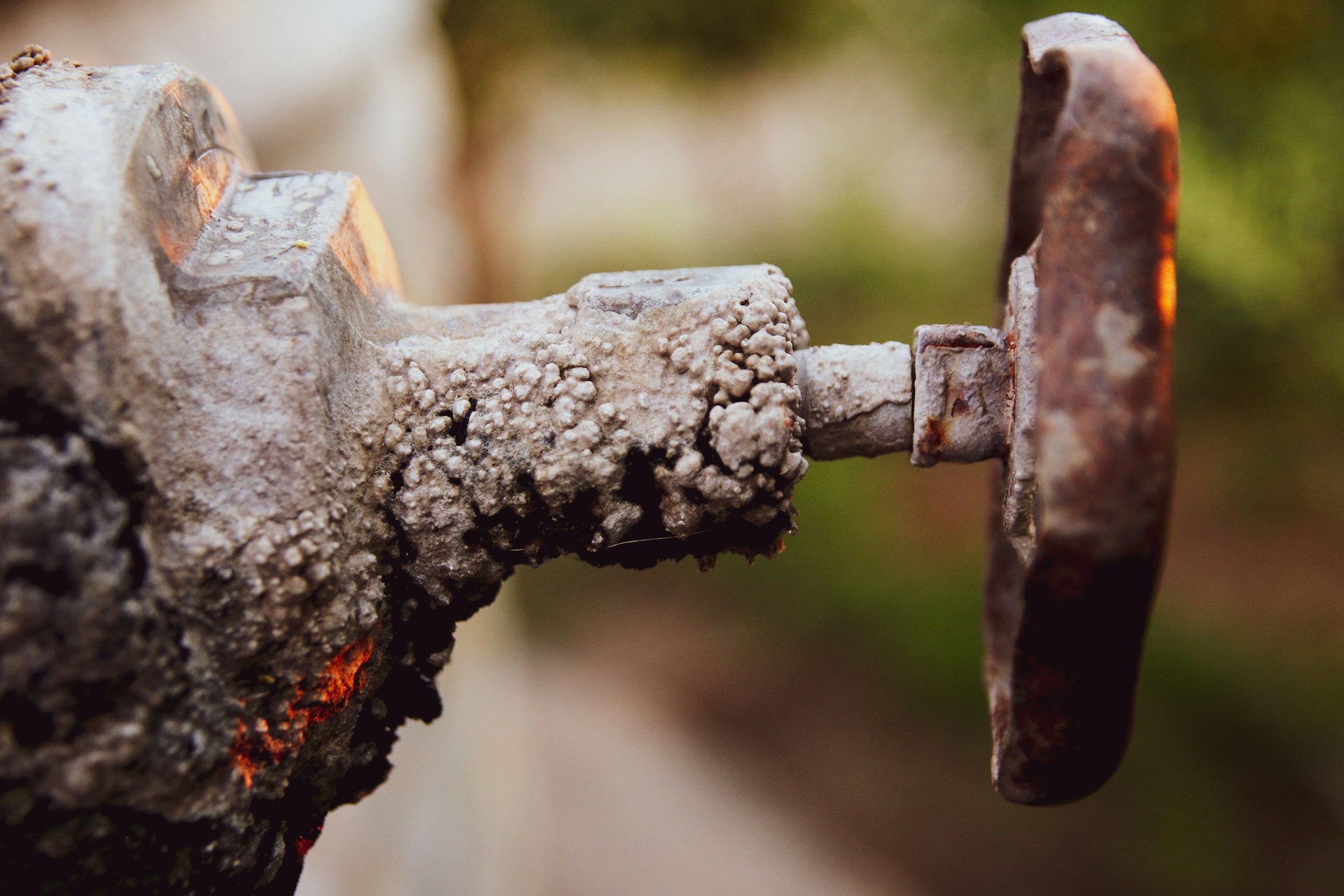
- Pipes (older homes): Calcium carbonate deposits gradually narrow pipes over years, reducing pressure in homes over 15+ years old.
- Skin and hair: Mineral film on skin after showering and dull, brittle hair are common complaints. Those with eczema may see flare-ups — see our hard water and eczema guide.
- Coffee and tea: High mineral content affects extraction and flavor. Hard water and coffee — what the science says.
Best Water Treatment for Tucson Homes
At 12–16 gpg, a whole-home water softener is strongly recommended to protect appliances and plumbing. The EPA's Consumer Confidence Report program requires Tucson Water to publish annual contaminant data — check it for your specific address.
Fleck 5600SXT 48,000 Grain — Best Overall for Tucson
Industry-standard Fleck valve · Demand-initiated regeneration (saves 30–40% salt) · Most widely serviced softener in the US · Right-sized for Very Hard water
~$450–600
Check Price on Amazon →SpringWell SS4 Smart Water Softener
NSF/ANSI 44 certified · Clack valve · Bluetooth app monitoring · Lifetime tank warranty · Designed for 15–20+ gpg very hard water
~$850–1,050
Check Price on Amazon →APEC ROES-50 Reverse Osmosis System — Drinking Water
NSF certified · Removes 99%+ TDS, chlorine, lead, PFAS, fluoride · Under-sink install · Best paired with a whole-home softener
~$180–220
Check Price on Amazon →Water Hardness Test Kit — Confirm Your GPG Before Buying
Simple test strips · Results in 60 seconds · Well worth $12 before committing to a $500+ softener
~$10–15
Check Price on Amazon →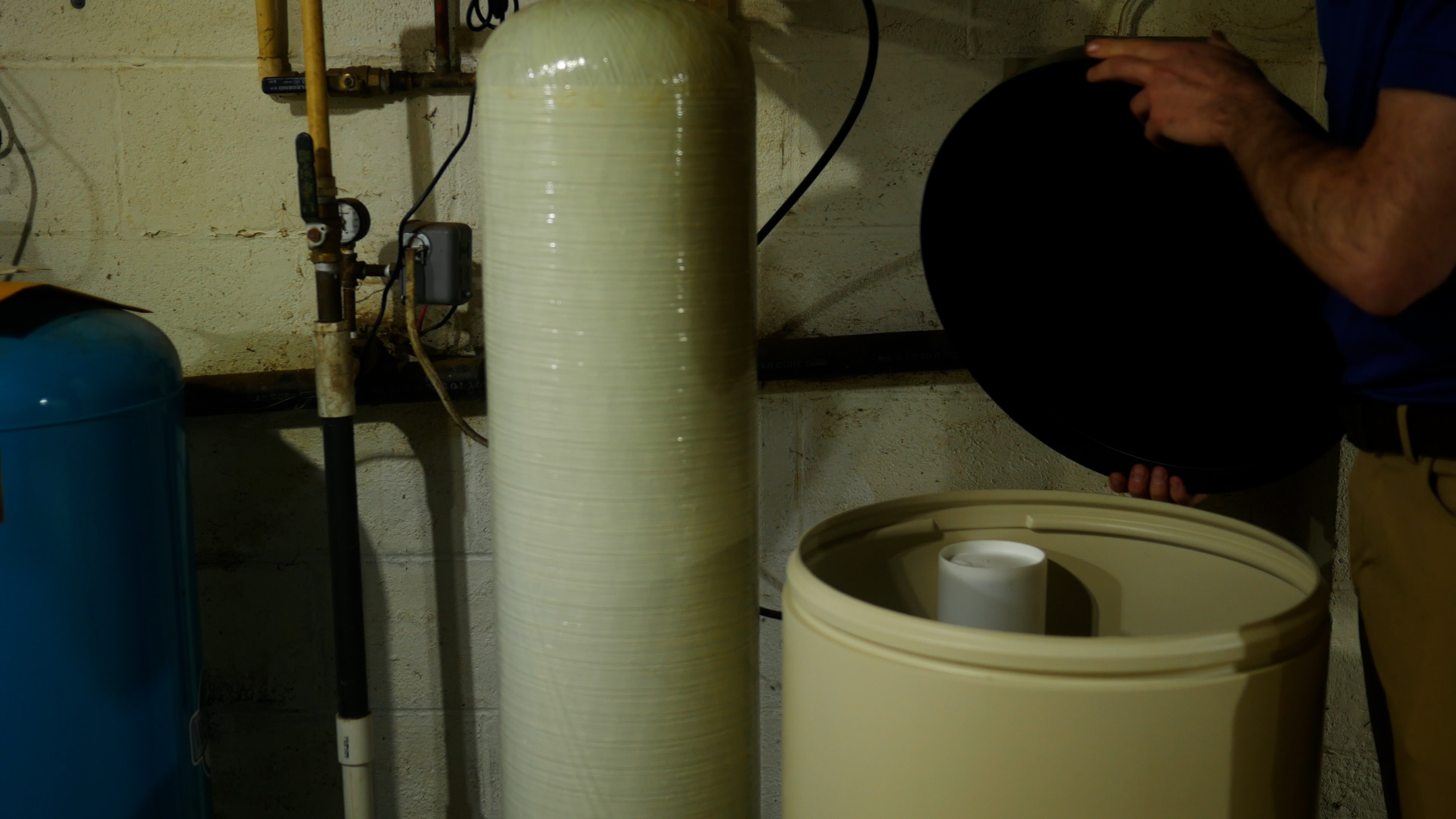
See our full best water softeners guide and RO vs water softener comparison for detailed side-by-side recommendations.
💧 Free: The Hard Water Home Guide
Softener sizing, descaling schedules, and what to test — tailored to very hard water like Tucson's 12–16 gpg.
No spam. Unsubscribe any time.
Tucson Metro Area — Water Hardness Nearby
Frequently Asked Questions — Tucson Water Hardness
Related Guides on HardWaterHQ
Arizona & Regional Water Hardness
- Arizona State Water Hardness Guide — All Cities Ranked
- Phoenix Az Water Hardness — 16–18 gpg · Very Hard
- Scottsdale Az Water Hardness — 16–20 gpg · Very Hard
- Las Vegas Nv Water Hardness — 16–17 gpg · Very Hard
- Albuquerque Nm Water Hardness — 14–18 gpg · Very Hard
Tucson Water Quality & Contaminants
Hard Water Problems & Solutions
- Hard Water and Dishwashers — Fixes Without a Softener
- Hard Water and Hair Loss — What the Research Says
- Hard Water and Eczema — Is Your Water Making It Worse?
- Hard Water and Coffee — How Minerals Affect Your Brew
- Well Water Iron Problems — Diagnosis & Treatment
Buyer's Guides
- Best Water Softeners for 2026 — Sized for Every Hardness Level
- Best Whole-House Water Filters 2026
- Best Whole-House Water Softeners 2026
- Reverse Osmosis vs Water Softener — Which Do You Need?
- How to Test Water Hardness at Home
- Salt-Free vs Traditional Water Softeners