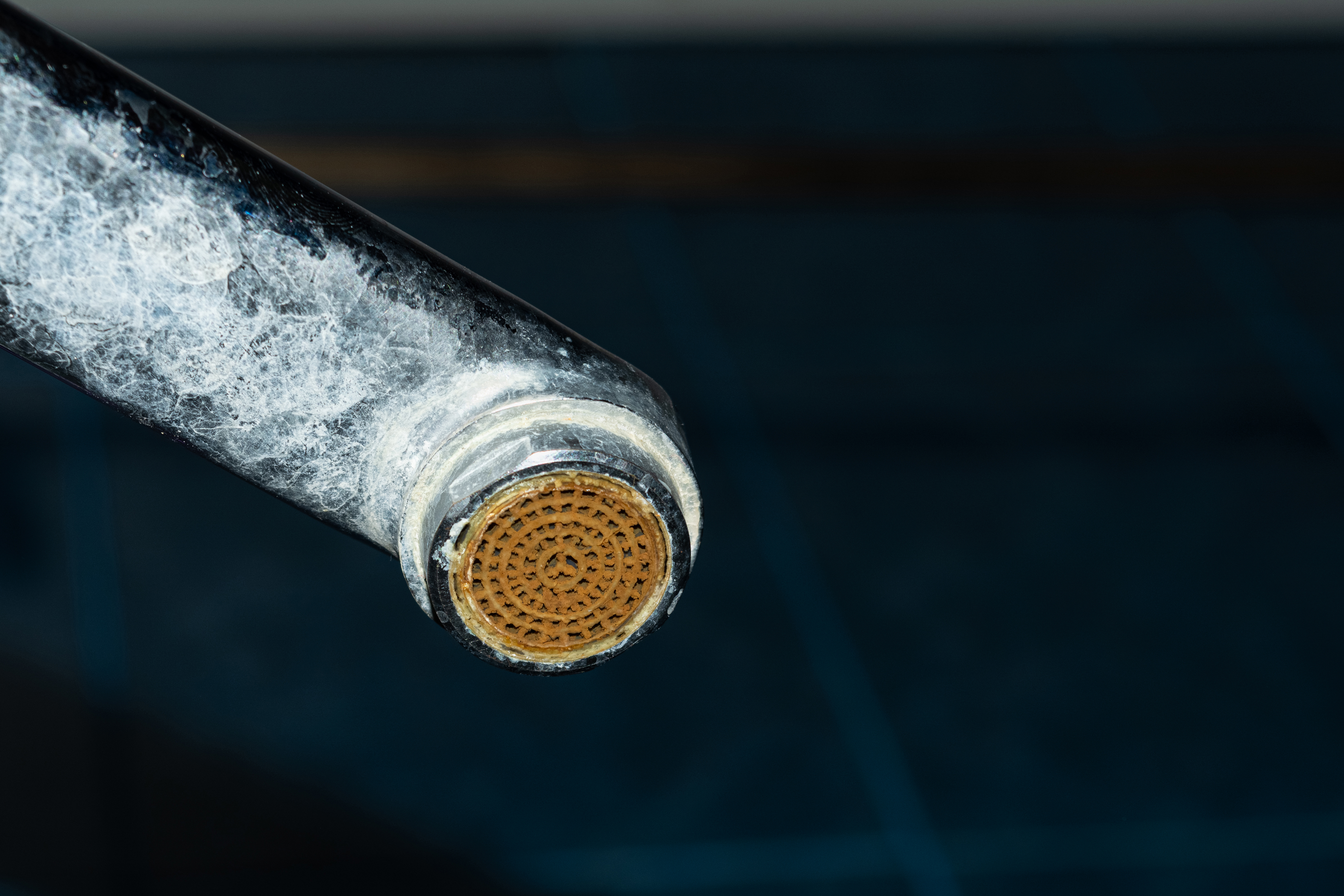
Quick Answer: Washington State has some of the softest water in the continental United States, courtesy of the Cascade Mountains. Seattle draws from the Cedar River and South Fork Tolt River watersheds — protected mountain forests where water filters through volcanic and glacial terrain, producing just 1–2 gpg of hardness. Tacoma, Everett, and Bellingham have similarly soft water from Cascade snowpack sources. Eastern Washington communities relying on Columbia River water or groundwater from the Columbia Plateau see harder water (6–10 gpg), but still softer than most of the country. Washington homeowners rarely need a water softener.
Washington Water Hardness at a Glance
Washington Water Hardness Overview
Water Hardness by City in Washington
The table below shows water hardness for major cities in Washington. Values are approximate based on utility reports, USGS data, and regional geological surveys. Click "Read Guide" for cities with detailed water quality analysis.
| City | Hardness (gpg) | Hardness (ppm) | Classification | Full Guide |
|---|---|---|---|---|
| Seattle | 2 gpg | 34 ppm | Soft | Read Guide → |
| Spokane | 7 gpg | 120 ppm | Hard | — |
| Tacoma | 3 gpg | 51 ppm | Soft | — |
| Vancouver | 4 gpg | 68 ppm | Moderately Hard | — |
| Bellevue | 2 gpg | 34 ppm | Soft | — |
| Everett | 2 gpg | 34 ppm | Soft | — |
| Renton | 2 gpg | 34 ppm | Soft | — |
| Yakima | 7 gpg | 120 ppm | Hard | — |
| Bellingham | 3 gpg | 51 ppm | Soft | — |
Why Is Washington Water Hard?
Western Washington's exceptional water softness is a product of the Cascade Range geology. The Cascades are composed primarily of volcanic and metamorphic rock — andesite, basalt, dacite, and granite — that releases very few soluble minerals. Protected municipal watersheds like Seattle's Cedar River Watershed (90,000 acres of forest with no roads or public access) ensure minimal human contamination. Rainwater and snowmelt percolate through thin soils over this volcanic rock, emerging as naturally soft water (0.5–2 gpg).
Eastern Washington sits on the Columbia Plateau, a vast area of volcanic basalt overlain by wind-deposited loess soils. While basalt is also a volcanic rock, Eastern Washington's deeper aquifers and the Columbia River have more contact time with mineral-bearing sediments. Spokane draws from the Spokane Valley-Rathdrum Prairie Aquifer (a glacial gravel aquifer) at about 7–10 gpg. The Yakima and Tri-Cities areas using Columbia River and Yakima River water see 5–8 gpg. Irrigation agriculture in Eastern Washington contributes mineralized return flows back to the Columbia.
Hard Water Effects in Washington
Western Washington homeowners with 1–2 gpg water enjoy outstanding appliance longevity, minimal cleaning requirements, and excellent soap lathering. The main water quality issues in Seattle and western WA are chloramine (used for disinfection), fluoride, and PFAS in some groundwater systems. The soft, naturally low-pH water can be slightly corrosive to copper pipes in older homes. Eastern Washington homeowners at 6–10 gpg see moderate hard water effects similar to Midwestern cities.
Best Water Treatment for Washington Homes
Western Washington (Seattle, Tacoma, Bellingham) homeowners don't need a water softener. The priority is a whole-home catalytic carbon filter for chloramine removal and an under-sink RO or carbon block for drinking water. If you have older copper pipes, a slight pH adjustment system helps reduce corrosion. Eastern Washington homeowners at 7–10 gpg (Spokane, Yakima) benefit from a standard 32,000 grain softener.
For detailed recommendations matched to your hardness level, see our guide to the best water softeners for 2026, which includes models sized for light, moderate, and very hard water conditions.
City Guides for Washington
We've published in-depth water quality guides for the following Washington cities, covering contaminants, treatment options, and local data: