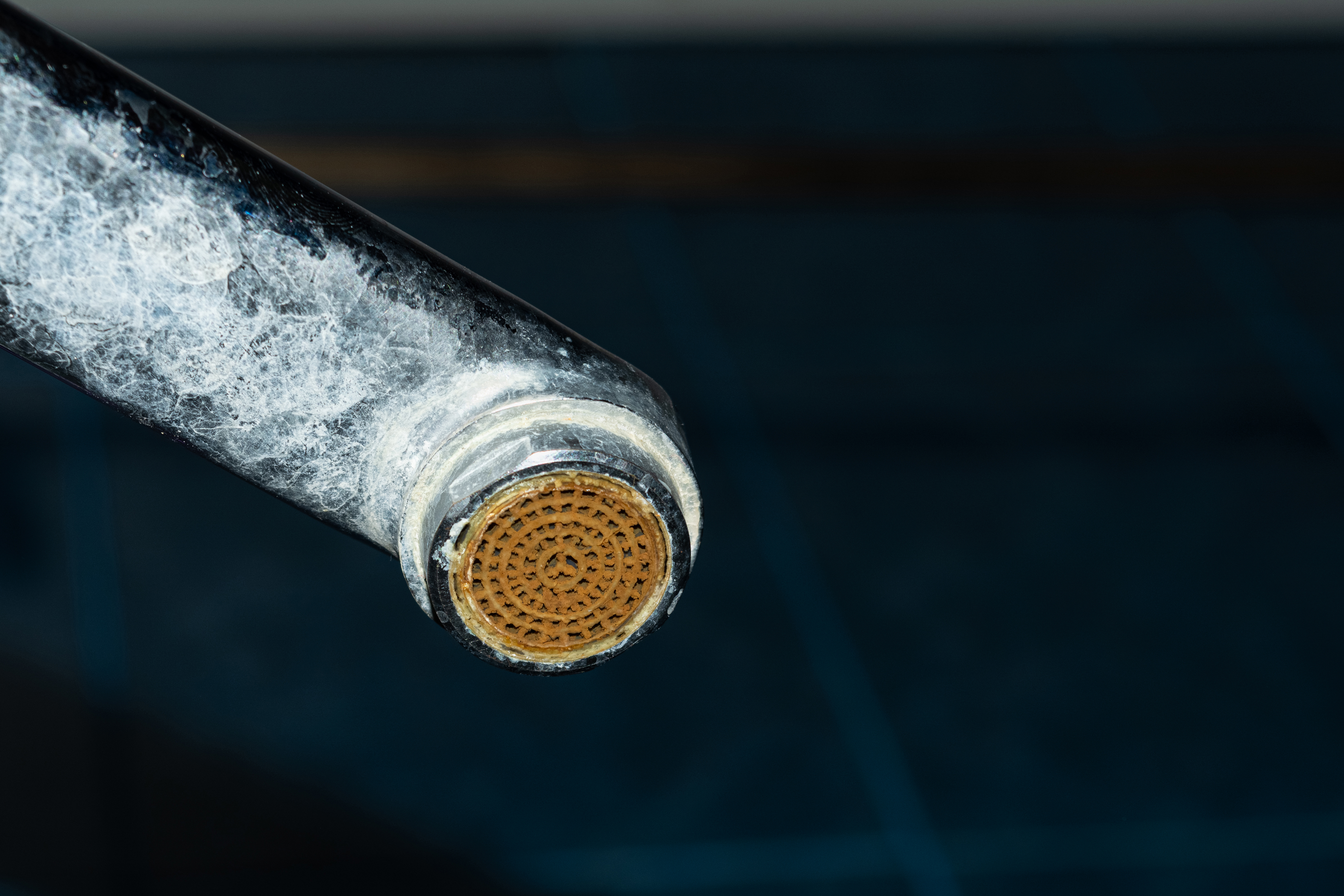
Quick Answer: Oregon has some of the softest water in the continental United States. Portland draws from the protected Bull Run watershed in the Mount Hood National Forest, producing exceptionally soft water at about 2 gpg — rated among the best municipal water in the country. Eugene uses the McKenzie River (2–3 gpg). Salem's Santiam River water runs at 3–4 gpg. Eastern Oregon communities relying on groundwater from the High Desert see harder water (7–12 gpg). For most western Oregon homeowners, a water softener is unnecessary — focus instead on taste and corrosion issues.
Oregon Water Hardness at a Glance
Oregon Water Hardness Overview
Water Hardness by City in Oregon
The table below shows water hardness for major cities in Oregon. Values are approximate based on utility reports, USGS data, and regional geological surveys. Click "Read Guide" for cities with detailed water quality analysis.
| City | Hardness (gpg) | Hardness (ppm) | Classification | Full Guide |
|---|---|---|---|---|
| Portland | 2 gpg | 34 ppm | Soft | Read Guide → |
| Eugene | 2 gpg | 34 ppm | Soft | — |
| Salem | 3 gpg | 51 ppm | Soft | — |
| Gresham | 2 gpg | 34 ppm | Soft | — |
| Hillsboro | 3 gpg | 51 ppm | Soft | — |
| Bend | 8 gpg | 137 ppm | Hard | — |
| Medford | 6 gpg | 103 ppm | Moderately Hard | — |
| Beaverton | 2 gpg | 34 ppm | Soft | — |
Why Is Oregon Water Hard?
Western Oregon's extraordinary water softness stems from the Cascade Range and its volcanic geology. The Bull Run watershed, which supplies Portland, is a 102,000-acre forest preserve on the flanks of Mount Hood. Rain and snowmelt filter through porous volcanic basalt and andesite — rock types that release very few soluble minerals — before reaching the Bull Run reservoir system. The result is consistently soft water (30–35 ppm, 1.7–2 gpg) with excellent natural clarity.
Eastern Oregon tells a different story. The High Desert east of the Cascades relies on groundwater from Pleistocene basalt and ancient lake sediments. While basalt is mineral-poor initially, groundwater in contact with these rocks for thousands of years picks up moderate hardness. The Deschutes River in Bend runs at about 7–9 gpg — harder than western Oregon but still softer than most of the country. Klamath Falls and Medford in southern Oregon fall in the 5–8 gpg range depending on source.
Hard Water Effects in Oregon
Portland homeowners with 2 gpg water have virtually no hard water concerns. Appliances last their full rated lifespan, soap lathers luxuriously, and there's minimal fixture scale. The main water quality concerns for Portland are lead from older building plumbing (the city has a lead pipe replacement program), fluoride levels, and maintaining the Bull Run watershed's protected status. Eastern Oregon homeowners at 7–10 gpg experience moderate scale and benefit from softening.
Best Water Treatment for Oregon Homes
Western Oregon homeowners (Portland, Eugene, Salem) don't need a water softener. Invest in an under-sink carbon block filter for chloramines (Portland uses chloramine disinfection) or an RO system for drinking water. If in an older Portland home pre-1980, consider an NSF/ANSI 53-certified lead filter for drinking water. Eastern Oregon homeowners at 7+ gpg benefit from a 32,000 grain softener. Medford and Klamath Falls at 5–8 gpg are borderline — test your specific water.
For detailed recommendations matched to your hardness level, see our guide to the best water softeners for 2026, which includes models sized for light, moderate, and very hard water conditions.
City Guides for Oregon
We've published in-depth water quality guides for the following Oregon cities, covering contaminants, treatment options, and local data: