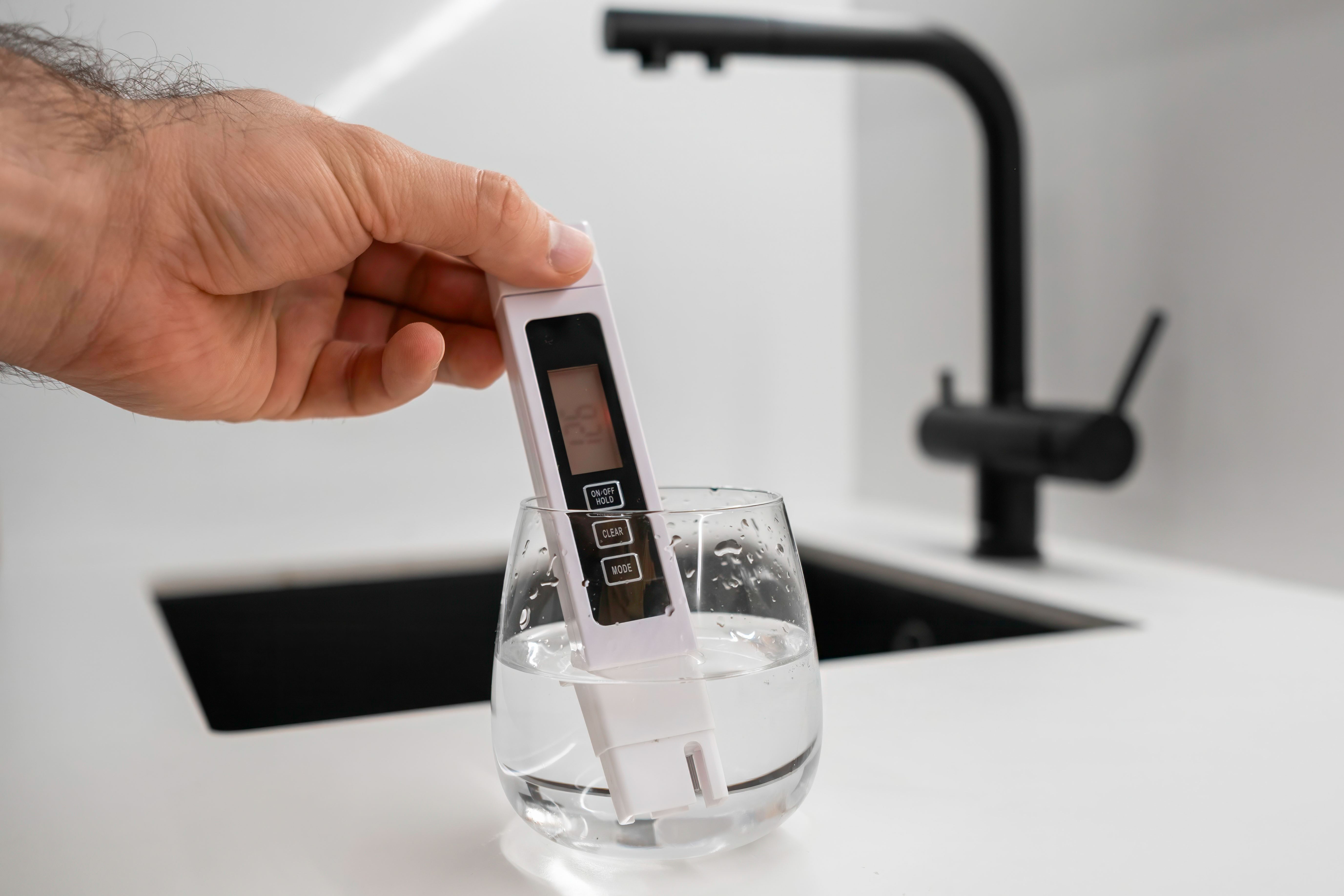
Quick Answer: New York State has dramatically different water hardness depending on where you live. New York City has some of the best and softest municipal water in the US (~1 gpg) from the protected Catskill and Delaware watersheds — essentially mountain rainwater filtered through granite and thin soils. But travel upstate and the picture changes: Buffalo draws from Lake Erie at 7 gpg, Rochester and Syracuse use Great Lakes-influenced sources at 6–8 gpg, and many rural upstate communities on limestone aquifers see 10+ gpg. Know your city before deciding on treatment.
New York Water Hardness at a Glance
New York Water Hardness Overview
Water Hardness by City in New York
The table below shows water hardness for major cities in New York. Values are approximate based on utility reports, USGS data, and regional geological surveys. Click "Read Guide" for cities with detailed water quality analysis.
| City | Hardness (gpg) | Hardness (ppm) | Classification | Full Guide |
|---|---|---|---|---|
| New York City | 1 gpg | 17 ppm | Soft | Read Guide → |
| Buffalo | 7 gpg | 120 ppm | Hard | Read Guide → |
| Yonkers | 7 gpg | 120 ppm | Hard | — |
| Rochester | 7 gpg | 120 ppm | Hard | — |
| Syracuse | 6 gpg | 103 ppm | Moderately Hard | — |
| Albany | 5 gpg | 86 ppm | Moderately Hard | — |
| New Rochelle | 7 gpg | 120 ppm | Hard | — |
Why Is New York Water Hard?
New York City's exceptional soft water is a result of geography and governance. The Catskill and Delaware watersheds, protected since the early 1900s from development, cover 2,000 square miles of the Catskill Mountains. Rainfall and snowmelt filter through thin soils over crystalline bedrock (gneiss, schist, granite), picking up almost no minerals before reaching the city's reservoirs. NYC water hardness consistently measures around 17–25 ppm (1–1.5 gpg) — remarkably soft.
Upstate New York tells a different story. The Great Lakes lowlands around Buffalo, Rochester, and Syracuse sit on sedimentary rock platforms. Lake Erie, which supplies Buffalo, has moderate hardness from calcium-rich limestone shoreline erosion. The Finger Lakes region and Hudson Valley have varied hardness depending on local bedrock. The Mohawk Valley and other areas underlain by Devonian and Silurian limestone can produce groundwater hardness of 10–20 gpg in private wells.
Hard Water Effects in New York
NYC residents with 1 gpg water enjoy exceptional appliance longevity, easy lathering soaps, and excellent-tasting tap water. The main concerns are slightly elevated lead from older building plumbing and chlorine/disinfection byproduct taste. Buffalo and upstate residents at 6–10 gpg experience moderate scale in appliances, dishwasher spotting, and gradual faucet buildup over time.
Best Water Treatment for New York Homes
NYC homeowners don't need a softener — water at 1 gpg is already extremely soft. Focus instead on an under-sink reverse osmosis or carbon block filter for drinking water, especially in older buildings with lead pipes or copper solder. Upstate homeowners in Buffalo, Rochester, or Syracuse benefit from a standard 32,000 grain softener. Rural upstate residents on wells with 10–15 gpg hardness should size up to 48,000 grain capacity.
For detailed recommendations matched to your hardness level, see our guide to the best water softeners for 2026, which includes models sized for light, moderate, and very hard water conditions.
City Guides for New York
We've published in-depth water quality guides for the following New York cities, covering contaminants, treatment options, and local data: