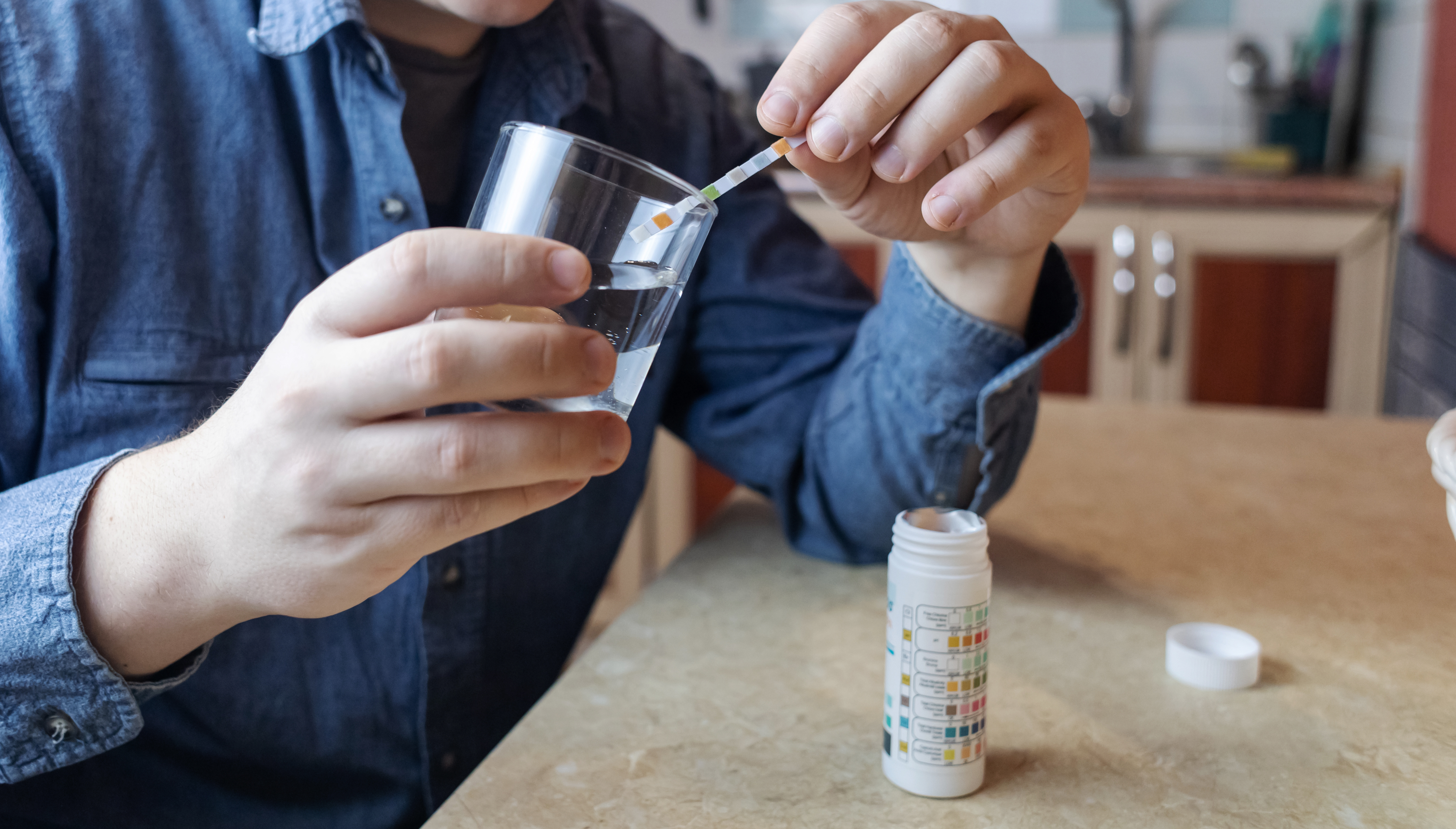
Quick Answer: Nebraska has some of the hardest water in the Midwest, with most cities averaging 14–17 grains per gallon from the Ogallala Aquifer and Platte River systems. Omaha draws from the Missouri River and alluvial aquifers at about 15 gpg, while Lincoln uses the Platte River aquifer system at 14 gpg. The Ogallala Aquifer — which underlies most of western Nebraska — is exceptionally hard due to millions of years of mineral accumulation. A whole-home water softener is considered a household essential by most Nebraskans.
Nebraska Water Hardness at a Glance
Nebraska Water Hardness Overview
Water Hardness by City in Nebraska
The table below shows water hardness for major cities in Nebraska. Values are approximate based on utility reports, USGS data, and regional geological surveys. Click "Read Guide" for cities with detailed water quality analysis.
| City | Hardness (gpg) | Hardness (ppm) | Classification | Full Guide |
|---|---|---|---|---|
| Omaha | 15 gpg | 257 ppm | Very Hard | Read Guide → |
| Lincoln | 14 gpg | 240 ppm | Very Hard | Read Guide → |
| Bellevue | 15 gpg | 257 ppm | Very Hard | — |
| Grand Island | 16 gpg | 274 ppm | Very Hard | — |
| Kearney | 15 gpg | 257 ppm | Very Hard | — |
| Fremont | 14 gpg | 240 ppm | Very Hard | — |
| Norfolk | 15 gpg | 257 ppm | Very Hard | — |
| North Platte | 16 gpg | 274 ppm | Very Hard | — |
Why Is Nebraska Water Hard?
Nebraska's extremely hard water is primarily the result of the Ogallala Aquifer, also known as the High Plains Aquifer. This massive underground reservoir, which underlies most of Nebraska's panhandle and western regions, accumulated over millions of years as water slowly dissolved calcium and magnesium from ancient limestone, calcareous shale, and shell-bearing sedimentary deposits. Water withdrawn from the Ogallala consistently measures 200–300+ ppm (12–18+ gpg).
Eastern Nebraska communities draw from the Missouri River alluvial aquifer and the Platte River system. These sources pick up hardness from the glacial till and carbonate sediments of the Great Plains. Omaha's Missouri River intake is blended with groundwater, producing about 15 gpg. Lincoln's Platte River aquifer delivers about 14 gpg. Even surface water in Nebraska is hard because rivers traverse the same calcareous geological terrain before reaching municipal intakes.
Hard Water Effects in Nebraska
At 14–17 gpg, Nebraska water causes rapid and severe hard water effects. Water heaters scale heavily and require flushing annually. Dishwasher interiors turn chalky white. Washing machines accumulate mineral deposits on the drum and heating element. Pipes develop scale buildup that reduces flow over years. Nebraska homeowners without softeners spend significantly more on cleaning products, appliance repairs, and soaps than those with treatment systems.
Best Water Treatment for Nebraska Homes
A high-capacity water softener is essential for Nebraska homeowners. At 14–17 gpg, size your softener for your household's grain requirements — a family of four using 300 gallons/day at 15 gpg needs to remove 4,500 grains daily. A 48,000 grain capacity unit on a 10-day cycle is appropriate. Look for softeners with high-flow valves to maintain pressure in the home. Pair with an RO system for drinking and cooking water. Check your water for iron too — Nebraska groundwater often contains 1–3 ppm iron that will foul softener resin.
For detailed recommendations matched to your hardness level, see our guide to the best water softeners for 2026, which includes models sized for light, moderate, and very hard water conditions.
City Guides for Nebraska
We've published in-depth water quality guides for the following Nebraska cities, covering contaminants, treatment options, and local data: